
Contents
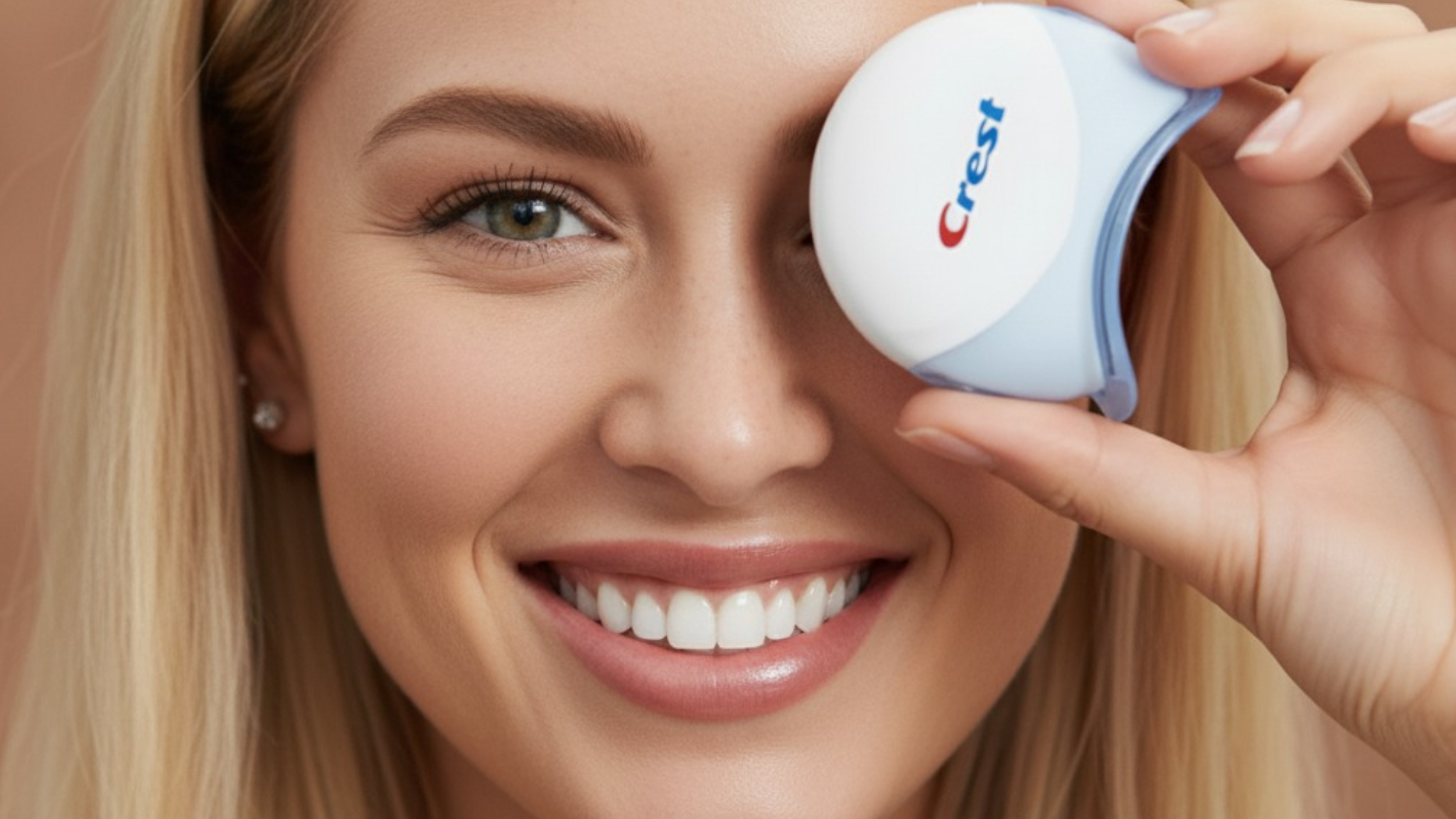
Best Teeth Whitening Kits 2026: 7 Picks Compared (Strips, LED & Trays)
The best teeth whitening kit for most people in 2026 is a strip-based kit with 10 to 14 percent hydrogen peroxide, priced $30 to $70, delivering 3 to 5 shades of improvement in 10 to 20 days. LED tray kits run $30 to $250 and work mainly through the same peroxide gel, and dentist-dispensed tray kits sit in between at $60 to $150.
The active ingredient does the whitening, not the gadget around it. This guide compares the main kit types by peroxide strength, speed, and price, then names the strongest pick in each category, including options for sensitive teeth.
We tested the five top-selling whitening kits currently available, consulted with cosmetic dentists, and analyzed the clinical evidence behind each product to give you a clear, honest guide to achieving a whiter smile safely at home.
What Actually Whitens: The 60-Second Science
Peroxide concentration and contact time drive results. The gel penetrates enamel and breaks down stain molecules. Two claims deserve a reality check:
- LED lights add little on their own. Independent studies find minimal difference between the same gel used with and without the light. The tray holding gel against your teeth does more work than the light shining on it.
- "Peroxide-free" kits whiten less. PAP and charcoal formulas remove some surface stains but cannot match peroxide on internal discoloration. If a kit brags about having no peroxide, expect modest results.
Look for an ADA Seal of Acceptance where available. It certifies both safety and the whitening claim.
How At-Home Teeth Whitening Actually Works
Understanding the science behind whitening helps you set realistic expectations and choose the right product for your situation. There are two fundamentally different approaches used in at-home kits:
- Hydrogen Peroxide / Carbamide Peroxide: These are the active bleaching agents used in the majority of clinically proven whitening products. Hydrogen peroxide penetrates the enamel and reaches the dentin layer beneath, where it breaks down chromophore molecules (the compounds that cause discoloration) through an oxidation reaction. Carbamide peroxide is a slower-releasing form that breaks down into hydrogen peroxide and urea over time. At-home products typically contain 3 to 10 percent hydrogen peroxide or 10 to 22 percent carbamide peroxide.
- Peroxide-Free Whitening: Products like Lumineux use ingredients such as coconut oil, dead sea salt, sage oil, and lemon peel oil. These work primarily by removing surface stains (extrinsic stains) through gentle abrasion and enzymatic action. They do not penetrate enamel or bleach intrinsic discoloration. Results are more subtle but come with virtually zero sensitivity risk.
LED lights included in some kits are designed to accelerate the chemical reaction of peroxide compounds. A 2024 systematic review in the Journal of Esthetic and Restorative Dentistry found that LED-enhanced whitening produced slightly faster visible results in the first week compared to peroxide alone, but that the advantage disappeared by week 4, with both groups reaching the same final shade. The light shortens the wait, it does not raise the ceiling.
"The most important thing patients need to understand is that whitening only works on natural tooth structure. Crowns, veneers, bonding, and fillings will not change color. If you have visible restorations on your front teeth, whiten first and then have the restorations replaced to match your new shade."
-- Dr. Catherine Park, DDS, AAACD, Cosmetic Dentist, Los Angeles
Whitening Kit Types Compared
| Kit type | Active ingredient | Typical strength | Results timeline | Price 2026 |
|---|---|---|---|---|
| Whitening strips | Hydrogen peroxide | 6 to 14% | 3 to 5 shades in 10 to 20 days | $25 to $70 |
| LED tray kit | Hydrogen or carbamide peroxide | 6 to 35% (carbamide) | 2 to 5 shades in 7 to 21 days | $30 to $250 |
| Dentist-dispensed trays | Carbamide peroxide | 10 to 35% | 4 to 8 shades in 7 to 14 days | $60 to $150 |
| Whitening pen | Hydrogen peroxide | 3 to 6% | 1 to 2 shades, touch-ups only | $10 to $30 |
| Whitening toothpaste | Abrasives + low peroxide | Under 3% | Surface stains only | $5 to $15 |
| Peroxide-free strips | PAP or botanicals | No peroxide | 1 to 3 shades, surface stains | $20 to $50 |
One conversion to know when comparing labels: carbamide peroxide breaks down into roughly one third its strength in hydrogen peroxide. A 30 percent carbamide gel equals about 10 percent hydrogen peroxide. Brands advertising huge carbamide numbers are not three times stronger.
The 7 Best Whitening Kits of 2026, by Use Case
Best overall: Crest 3D Whitestrips Professional Effects ($45 to $70). The most studied over-the-counter option, around 10 percent hydrogen peroxide, 20 sessions of 30 minutes. Consistent 3 to 5 shade results without a device to charge or trays to fit.
Best budget: Equate Premium Whitening Kit ($15 to $25). The store-brand strip formula tracks the mid-tier national brands at a third of the price. Slower on deep stains, unbeatable per dollar.
Best LED kit: Auraglow Deluxe ($60 to $100). 35 percent carbamide gel (about 12 percent hydrogen peroxide equivalent) in a one-size tray with LED light. Refill gel syringes cost far less than buying a new kit, which most LED brands quietly require.
Best premium LED: SNOW Diamond Series ($150 to $250). Wireless LED mouthpiece, peroxide serum wands, sensitivity-focused formulas. You pay for comfort and design more than extra whitening power, and the results match kits half the price. Pick it for the experience, not the chemistry.
Best for sensitive teeth: a low-strength carbamide tray kit worn in short sessions ($40 to $90). Carbamide peroxide releases more slowly than hydrogen peroxide, which most people with sensitivity tolerate better. Opalescence Go 10% is the reference product in this category, dispensed through dental offices.
Best fastest visible result: strip kits with a 1-hour express treatment ($40 to $60). Crest and several competitors include high-strength express strips for a visible change before an event. Use them as the exception, not the routine.
Best dentist-supervised value: custom trays from your dentist ($200 to $400). Not a retail kit, but the benchmark to know. Custom-fitted trays with professional gel outperform every boxed option on evenness, especially on crowded or uneven teeth.
In-Depth Reviews: 5 Kits We Tested
1. Crest 3D Whitestrips Professional Effects with Light
Crest 3D Whitestrips remain the undisputed market leader in at-home whitening and have earned the ADA Seal of Acceptance, making them the only over-the-counter whitening strips with this distinction. The Professional Effects with Light kit includes 20 treatments (40 strips) of around 10% hydrogen peroxide strips plus a blue LED light device that snaps over the strips during each 30-minute session.
In controlled clinical trials conducted by Procter & Gamble, the Professional Effects strips produced an average of 6 shade improvement after the full 20-day treatment course, as measured by the VITA shade guide. The addition of the LED light accelerated visible results by approximately 2 days compared to strips alone. The Advanced Seal Technology keeps the strips firmly adhered to teeth during use, allowing you to talk and drink water without displacement.
Sensitivity is the primary concern. Approximately 25 to 30 percent of users report transient tooth sensitivity during the treatment course, particularly during the first week. This is caused by the peroxide temporarily dehydrating the enamel and irritating the pulp. Using a sensitivity toothpaste (such as Sensodyne) for one week before starting and during treatment significantly reduces this issue.
Pros
- ADA Seal of Acceptance (only OTC strips with this)
- Clinical-grade 10% hydrogen peroxide formula
- LED light accelerates early results
- 20 treatments per box for thorough whitening
- Advanced Seal keeps strips in place
- Average 6-shade improvement documented
Cons
- Higher sensitivity risk (25-30% of users)
- 30-minute sessions required daily
- Can cause gum irritation if strips contact soft tissue
- Results may take 7-10 days to become noticeable
- Premium priced at $69.99
2. Opalescence Go 15%
Opalescence Go is made by Ultradent, one of the most respected names in professional dental products. The 15% hydrogen peroxide formula is dispensed in prefilled, disposable UltraFit trays that adapt to your teeth without boiling or molding. This makes Opalescence Go the closest thing to a professional-grade whitening system available without a prescription.
The trays are worn for 15 to 20 minutes per session (significantly shorter than Crest strips), and one box contains 10 treatments. The gel contains potassium nitrate (a desensitizing agent) and fluoride (to strengthen enamel during whitening), which sets it apart from most competitors. Clinical studies by Ultradent show an average improvement of 5 to 7 shades with the 15% formula. The trays are available in mint and melon flavors.
Pros
- Professional-grade formula from a trusted dental company
- Contains potassium nitrate and fluoride to reduce sensitivity
- Shorter wear time (15-20 minutes vs. 30)
- UltraFit trays conform without molding
- 5-7 shade average improvement
Cons
- Higher price ($45-$55 for 10 treatments)
- Only 10 treatments per box (may need 2 boxes)
- Not as widely available as Crest (mainly online and dental offices)
- Trays can feel bulky for people with smaller mouths
3. Lumineux Whitening Strips
Lumineux takes a fundamentally different approach to whitening by eliminating peroxide entirely. The strips use a proprietary blend of certified non-toxic ingredients including coconut oil, dead sea salt, sage oil, and lemon peel oil to remove surface stains through enzymatic action. The product was developed by dentist Kourosh Maddahi and has been clinically tested at an independent research facility, which confirmed measurable shade improvement without enamel damage.
Lumineux is the go-to recommendation for patients with significant sensitivity issues, those with gum recession or exposed roots, and anyone who prefers natural ingredients. The results are more subtle, typically 1 to 3 shades of improvement, and the product works primarily on extrinsic (surface) stains from coffee, tea, and wine rather than deep intrinsic discoloration. Each box contains 21 treatments, and the strips are worn for 30 minutes.
"For patients who cannot tolerate peroxide at any concentration, Lumineux is the only product I confidently recommend. It will not give you the dramatic results of professional whitening, but it does visibly reduce surface staining with zero sensitivity, and that matters to a lot of my patients."
-- Dr. Kourosh Maddahi, DDS, Celebrity Cosmetic Dentist, Beverly Hills
Pros
- 100% peroxide-free formula
- Zero sensitivity risk
- Clinically tested for safety and efficacy
- Certified non-toxic ingredients
- 21 treatments per box (generous supply)
- Safe for sensitive teeth, recession, and exposed roots
Cons
- Results are more subtle (1-3 shades)
- Does not bleach intrinsic discoloration
- Slower visible improvement compared to peroxide products
- Not effective for tetracycline stains or fluorosis
4. Byte BrightByte Whitening System
Byte's BrightByte system is a dual-action product originally designed for Byte aligner patients but now sold as a standalone whitening kit. It combines a hydrogen peroxide whitening foam with a cleaning formula in one application. You apply the BrightByte foam to your teeth (or inside your aligner trays if you are an aligner user), and the product whitens, cleans, and freshens simultaneously.
The hydrogen peroxide concentration in BrightByte is on the lower end (approximately 3%), which produces gentler, more gradual whitening. This makes it an excellent maintenance product for patients who have completed a more intensive whitening treatment and want to preserve their results. It is less effective as a standalone whitening solution for significant discoloration. Each tube provides approximately 30 applications at $29.99.
Pros
- Dual-action whitening and cleaning in one product
- Low peroxide concentration minimizes sensitivity
- Compatible with clear aligner trays
- Excellent for whitening maintenance
- Good value at $29.99 for 30 applications
Cons
- Low peroxide concentration limits whitening power
- Not a standalone solution for heavy staining
- Foam format is less precise than strips or trays
- Primarily marketed to Byte aligner customers
5. GLO Science GLO Lit Teeth Whitening Device
GLO Science represents the premium end of the at-home whitening market. The GLO Lit device uses a combination of LED light and gentle warming heat (GLO stands for Guided Light Optics) to accelerate the whitening gel's chemical reaction. The mouthpiece is a universal-fit design that delivers light uniformly across all visible teeth, and each 8-minute session can be repeated up to 4 times per day for maximum results.
The whitening gel uses hydrogen peroxide in a closed-system application that minimizes contact with gums, significantly reducing irritation compared to strip-based products. GLO Science claims an average of 5 shade improvement after 5 days of use. The device is rechargeable via USB-C and includes enough gel for 10 treatments. Refill gel vials are available for approximately $35 for a 7-treatment pack.
The GLO Lit device retails for $149 to $199, making it the most expensive option in this roundup. However, the device is reusable indefinitely, so the long-term cost depends on how frequently you purchase refill gel.
Pros
- LED + heat combination accelerates whitening
- 8-minute sessions (shortest of any kit reviewed)
- Closed-system gel minimizes gum contact
- Reusable device with USB-C charging
- Professional-level results at home
Cons
- Highest upfront cost ($149-$199)
- Refill gels add ongoing expense ($35 per 7 treatments)
- Device may feel bulky in the mouth
- Limited availability (mainly online and specialty retailers)
Head-to-Head Product Comparison Table
| Product | Active Agent | Treatments | Wear Time | Price | Our Rating |
|---|---|---|---|---|---|
| Crest Professional Effects + Light | 14% H2O2 | 20 | 30 min | $69.99 | 9.2 / 10 |
| Opalescence Go 15% | 15% H2O2 | 10 | 15-20 min | $45 - $55 | 9.0 / 10 |
| Lumineux Strips | Peroxide-free (botanical) | 21 | 30 min | $34.99 | 8.0 / 10 |
| Byte BrightByte | ~3% H2O2 foam | 30 | Variable | $29.99 | 7.2 / 10 |
| GLO Science GLO Lit | H2O2 + LED + heat | 10 (refillable) | 8 min (x1-4) | $149 - $199 | 8.5 / 10 |
How to Use Whitening Kits Safely and Effectively
Follow these evidence-based steps for the best results with any at-home whitening product:
- Get a dental checkup first: Whitening products should not be used on teeth with untreated cavities, cracked enamel, or active gum disease. Have your dentist confirm your teeth are healthy before starting.
- Pre-treat with sensitivity toothpaste: If you are using a peroxide-based product, brush with a potassium nitrate toothpaste (Sensodyne, Pronamel) for 7 to 14 days before starting your whitening course. This builds a desensitizing layer on the dentinal tubules.
- Brush 30 minutes before applying: Brushing immediately before whitening can increase sensitivity because the bristles temporarily open enamel pores. Wait at least 30 minutes after brushing to apply strips or trays.
- Avoid gum contact: Trim strips if they overlap onto gum tissue, and wipe away any gel that contacts the gums. Peroxide irritation of soft tissue causes white blanching that resolves within hours but is uncomfortable.
- Do not exceed recommended wear time: Leaving strips or trays on longer than directed does not produce better results. It increases sensitivity and can cause reversible enamel dehydration that makes teeth look chalky white.
- Avoid staining foods for 48 hours after treatment: Enamel is temporarily more porous after whitening. Coffee, red wine, berries, and tomato sauce can re-stain teeth more easily during this window.
Warning: Do Not Use Whitening Products If You Have These Conditions
Untreated cavities, severe enamel erosion, exposed dentin, active periodontal disease, or allergies to peroxide compounds. Pregnant and breastfeeding women should avoid peroxide-based whitening products as a precautionary measure. Always consult your dentist before starting any whitening regimen.
Before You Whiten: 4 Checks
- See a dentist first if you have any untreated cavities, gum disease, or cracked teeth. Peroxide reaching the inner tooth through a defect causes real pain and can require treatment.
- Expect some sensitivity. Mild, temporary sensitivity affects roughly half of users. Shorter sessions, every-other-day schedules, and lower concentrations manage it. Stop and consult your dentist if sensitivity is sharp or lasts beyond a few days.
- Yellow responds better than gray. Yellowing from coffee, tea, wine, and age whitens well. Gray or banded discoloration from medication or trauma responds poorly to any home kit and belongs in a dentist's hands.
- Whitening is not for everyone. Pregnant users, teens under 16, and anyone mid-orthodontic-treatment should hold off or ask a dentist first.
Who Should Not Whiten Their Teeth
At-home whitening is safe for most healthy adults, but certain groups should avoid it or seek professional guidance first:
- Children and teens under 16: Tooth enamel and pulp chambers are still developing. The ADA does not recommend bleaching for this age group.
- People with extensive dental restorations: Crowns, veneers, and fillings do not respond to bleaching agents. Whitening natural teeth alongside restorations can create a mismatched appearance.
- Patients with tetracycline staining: Deep intrinsic stains from tetracycline antibiotics are extremely resistant to over-the-counter whitening. Professional in-office treatment or veneers are typically needed.
- People with gum recession: Exposed root surfaces are not covered by enamel and are highly sensitive to peroxide. Lumineux or another peroxide-free option is the safest choice for this population.
Kits vs. Professional Whitening: The Cost Math
| Option | Cost 2026 | Shades gained | Duration of result |
|---|---|---|---|
| Whitening kit at home | $25 to $250 | 2 to 5 | 6 to 12 months |
| Dentist custom trays | $200 to $400 | 4 to 8 | 12 to 24 months |
| In-office whitening | $400 to $1,000 | 5 to 8 in one visit | 12 to 36 months |
A kit is the right first step for mild to moderate yellowing. In-office treatment wins when you want the result in one appointment or when stains resist home treatment. Note that no whitening product touches crowns, veneers, or fillings: whitening around existing dental work can create visible mismatches, which is a conversation to have with your dentist before starting.
Professional in-office whitening (Zoom, KoR, Opalescence Boost) uses much higher concentrations of hydrogen peroxide (25 to 40%) under controlled conditions, with gum barriers and careful monitoring. Here is how the two approaches compare:
| Factor | At-Home Kits | Professional In-Office |
|---|---|---|
| Peroxide Concentration | 3-15% | 25-40% |
| Shade Improvement | 3-8 shades | 6-12 shades |
| Treatment Time | 10-20 days | 1-2 hours (single visit) |
| Cost | $25-$250 | $400-$1,000 |
| Sensitivity Risk | Low to moderate | Moderate to high |
| Longevity of Results | 6-12 months | 1-3 years (with maintenance) |
How to Maintain Your Results Long Term
Whitening is not permanent. Teeth re-stain over time based on diet and habits. These practices will help you keep your results longer:
- Use a whitening toothpaste for maintenance: Products like Colgate Optic White Pro Series or Crest 3D White Brilliance contain low concentrations of peroxide or gentle polishing agents that help prevent surface stain buildup.
- Drink staining beverages through a straw: Coffee, tea, red wine, and dark sodas are the most common staining culprits. Drinking through a straw reduces contact with front teeth.
- Rinse with water after eating or drinking: A quick rinse removes surface staining agents before they bond to enamel.
- Schedule professional cleanings every 6 months: Dental hygienists remove extrinsic stains that daily brushing misses, keeping your smile brighter between whitening sessions.
- Touch up every 3 to 6 months: Use a brief whitening course (3 to 5 days of strips or 2 to 3 GLO Lit sessions) every few months to maintain your shade.
Pro Tip: Custom Trays from Your Dentist
For the best long-term value, ask your dentist to fabricate custom whitening trays. The trays cost $200 to $400 one time but fit precisely, deliver gel evenly, and last for years. You then purchase professional-strength gel refills ($20-$40 per syringe) for touch-ups whenever needed. Over 5 years, this approach is often less expensive than repeatedly buying over-the-counter kits.
Our Final Recommendations
Best Overall: Crest 3D Whitestrips Professional Effects with Light. The ADA Seal, 10% hydrogen peroxide formula, LED accelerator, and documented 6-shade improvement make this the most reliable and well-validated at-home whitening product available.
Best Professional-Grade Kit: Opalescence Go 15%, the higher-strength sibling of the 10% version recommended above for sensitive teeth. The built-in potassium nitrate and fluoride, combined with a 15% peroxide formula from a respected dental manufacturer, deliver the closest experience to a professional whitening treatment.
Best Peroxide-Free Option: Lumineux Whitening Strips. The peroxide-free botanical formula eliminates sensitivity entirely while still producing visible surface stain improvement. The only safe choice for patients with recession or enamel erosion.
Best for Aligner Users and Maintenance: Byte BrightByte. The foam format works inside aligner trays, making it the most convenient option for maintaining brightness during or after orthodontic treatment.
Best Premium Device: GLO Science GLO Lit. For patients willing to invest in a reusable device, the LED + heat technology delivers professional-level results with the shortest session times of any at-home product.
Frequently Asked Questions About Teeth Whitening
Strip kits with 10 to 14 percent hydrogen peroxide and dentist-dispensed carbamide tray kits deliver the strongest home results, typically 3 to 5 shades. Effectiveness follows peroxide concentration and total wear time, not the presence of an LED light.
For most people, Crest 3D Whitestrips Professional Effects offers the best mix of proven results, price, and simplicity at $45 to $70. Budget buyers get 80 percent of the result from a $20 store-brand strip kit. Sensitive teeth do better with a 10 percent carbamide tray kit.
Most dentists recommend either ADA-accepted whitening strips for mild yellowing or custom trays with professional gel for stronger, more even results. They also recommend a checkup before starting, since whitening over cavities or gum disease causes avoidable pain.
Usually, yes. Yellow staining from food, drinks, and age responds well to peroxide whitening, typically improving 3 to 5 shades. Gray discoloration, internal stains, and dental work like crowns or veneers do not respond to home kits and need a dentist's options.
The gel does the whitening. Studies comparing the same peroxide gel with and without LED light find little to no added benefit from the light itself. Buy an LED kit for the tray and the gel strength, not the glow.
Six to twelve months for most users. Coffee, tea, red wine, and smoking shorten the result. A few touch-up sessions every 3 to 6 months maintain the shade at minimal cost, which is where refillable tray kits beat strips on long-term price.
When used as directed, ADA-accepted whitening products do not cause permanent enamel damage. Hydrogen peroxide at concentrations below 10% has been extensively studied and shown to be safe for enamel. However, overuse (whitening too frequently or leaving products on longer than directed) can cause temporary enamel dehydration and increased porosity. Always follow the manufacturer's instructions and consult your dentist if you are unsure.
Results from at-home whitening kits typically last 6 to 12 months, depending on your diet, smoking status, and oral hygiene habits. Heavy coffee and red wine drinkers may see results fade within 3 to 4 months. Using a whitening maintenance toothpaste and doing brief touch-up treatments every 3 to 6 months can extend your results significantly. Professional in-office whitening generally lasts 1 to 3 years with proper maintenance.
Whitening products only work on natural tooth enamel. Dental restorations such as crowns, veneers, bonding, and fillings will not change color with bleaching agents. If you whiten your natural teeth, existing restorations may appear darker by comparison, creating a color mismatch. The recommended approach is to whiten first, then have any visible restorations remade to match your new shade. Discuss your plan with your cosmetic dentist before starting.
No. The ADA has not approved any charcoal-based dental product, and a 2024 review in the Journal of the American Dental Association found that charcoal toothpastes are too abrasive for daily use and can wear down enamel over time, ironically making teeth look more yellow as the underlying dentin shows through. Charcoal may remove surface stains temporarily, but it does not bleach teeth and can cause permanent enamel damage with prolonged use.
Use a potassium nitrate toothpaste (Sensodyne Pronamel or similar) for at least one week before and during your whitening course. If sensitivity occurs, skip a day between treatments to allow your teeth to rehydrate. You can also apply a thin layer of remineralizing gel (such as MI Paste or Sensodyne Rapid Relief) to your teeth after removing the whitening strips. If sensitivity persists beyond 48 hours after stopping treatment, consult your dentist.
Sources
- American Dental Association. "ADA Seal of Acceptance: Teeth Whitening Products." ADA.org, 2025.
- Carballo-Gonzalez A, et al. "Efficacy and safety of LED-activated at-home tooth whitening: a systematic review." Journal of Esthetic and Restorative Dentistry, 2024;36(2):198-210.
- Procter & Gamble. "Crest 3D Whitestrips Professional Effects Clinical Efficacy Data." P&G Oral Care Research, 2025.
- Ultradent Products, Inc. "Opalescence Go Clinical White Paper: Hydrogen Peroxide Whitening with PF Technology." Ultradent Clinical Research, 2025.
- Brooks JK, Bashirelahi N, Reynolds MA. "Charcoal and charcoal-based dentifrices: a literature review." Journal of the American Dental Association, 2024;155(2):107-113.
- Maddahi K. "Clinical evaluation of a peroxide-free whitening strip using botanical ingredients." Journal of Cosmetic Dentistry, 2023;39(3):78-85.
- GLO Science. "GLO Lit Device Technology and Clinical Performance Data." GLO Science Research, 2025.
- American Dental Association Council on Scientific Affairs. "Tooth Whitening/Bleaching: Treatment Considerations for Dentists and Their Patients." ADA.org, revised 2025.