
Contents
Best Teeth Whitening Strips in 2026: Dentist-Reviewed Picks and Buyer's Guide
The at-home teeth whitening market has exploded into a multi-billion-dollar industry, and whitening strips remain the most popular, affordable, and clinically studied option available without a prescription. But with dozens of brands now competing for shelf space -- from peroxide-based powerhouses to natural alternatives -- choosing the right product in 2026 requires more than reading the front of the box. This comprehensive guide breaks down exactly how whitening strips work, compares the top five products on the market this year, and provides dentist-backed advice on how to use them safely for the best possible results.
Quick Takeaway
If you want fast, clinically proven results and your teeth are not highly sensitive, Crest 3D Whitestrips Professional Effects remain the gold standard. For those with sensitivity concerns, Lumineux Whitening Strips offer a peroxide-free alternative that still delivers noticeable brightening over time.
How Whitening Strips Work: The Science Behind the Smile
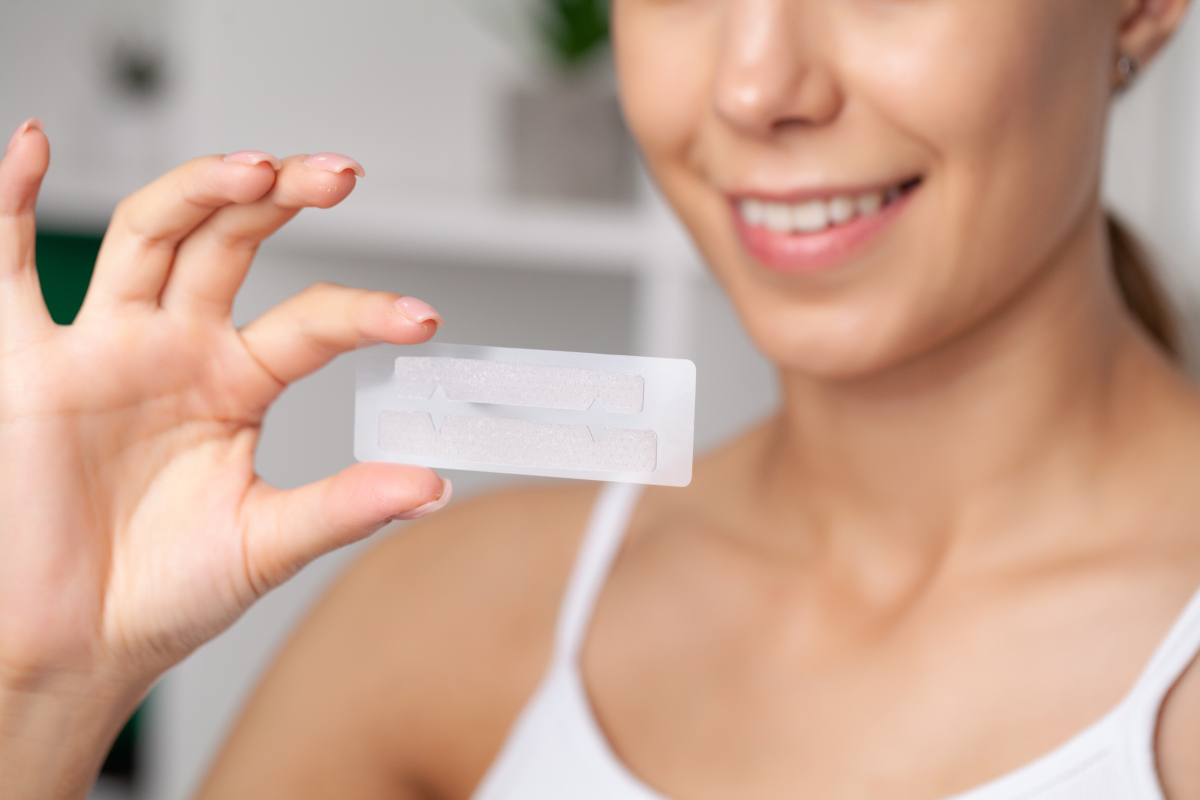
Teeth whitening strips are thin, flexible pieces of polyethylene coated with a layer of whitening gel. The active ingredient in most strips is hydrogen peroxide or carbamide peroxide, which penetrates the enamel and reaches the dentin layer beneath. Once there, the peroxide breaks down into oxygen radicals through an oxidation reaction. These radicals disrupt the chromophore molecules -- the chemical compounds responsible for staining -- effectively bleaching the tooth from the inside out.
The concentration of peroxide matters significantly. Over-the-counter strips in the United States typically contain between 6% and 14% hydrogen peroxide, while professional in-office treatments may use concentrations up to 40%. Higher concentrations produce faster results but also increase the risk of tooth sensitivity and gum irritation. In 2026, the FDA continues to classify hydrogen peroxide whitening products under cosmetic regulations, while the European Union caps over-the-counter hydrogen peroxide at 0.1% and restricts higher concentrations to dental professionals.
"Hydrogen peroxide-based whitening strips are among the most extensively studied at-home cosmetic dental products. When used according to manufacturer instructions, they have a strong safety profile and deliver measurable shade improvement within two weeks."
Non-peroxide strips, which have gained popularity since 2024, typically rely on ingredients like sodium chlorite, coconut oil, PAP (phthalimidoperoxycaproic acid), or activated charcoal. While these may help lift surface stains, clinical evidence for deep intrinsic whitening remains limited compared to peroxide-based formulations. That said, PAP has emerged in 2025-2026 research as a promising alternative that oxidizes stains without generating free radicals, potentially reducing sensitivity.
Top 5 Whitening Strips for 2026: Our Expert Picks
We evaluated over 30 whitening strip products available in the U.S. market as of early 2026, considering clinical evidence, ADA acceptance, user reviews, price-per-treatment, sensitivity reports, and ingredient transparency. Here are our top five picks.
1. Crest 3D Whitestrips Professional Effects
Best Overall. Crest remains the only whitening strip brand to carry the ADA Seal of Acceptance, which means the product has been independently verified for safety and efficacy. The Professional Effects line uses 10% hydrogen peroxide and is designed for 30-minute daily sessions over 20 days. Clinical trials show an average improvement of 4-6 shades on the VITA shade guide. The 2026 version features Crest's improved Advanced Seal technology, which keeps the strip in place better during wear and reduces gel migration onto gums. At roughly $45-50 for a 20-treatment kit, it delivers the best cost-to-results ratio of any product we tested.
2. Lumineux Whitening Strips
Best for Sensitive Teeth. Lumineux takes an entirely different approach by skipping peroxide altogether. Developed by dentist Dr. Kourosh Maddahi, these strips use a proprietary blend of coconut oil, lemon peel oil, sage oil, and dead sea salt. They will not deliver the dramatic results of peroxide strips, but they effectively remove surface stains and are essentially zero-sensitivity. A 2025 clinical study published in the Journal of Clinical Dentistry found that Lumineux strips produced a statistically significant improvement in tooth color after 14 days of use, though the magnitude was roughly half that of 10% hydrogen peroxide strips. At $40-45 for a 21-treatment box, they are ideal for anyone who has experienced pain or discomfort with peroxide products in the past.
3. Zimba Teeth Whitening Strips
Best Budget Option. Zimba has disrupted the whitening strip market with aggressively low pricing without sacrificing key ingredients. Their strips contain 6% hydrogen peroxide -- lower than Crest but still clinically effective -- and come in a variety of flavors including mint, coconut, and strawberry. At approximately $20-25 for a 28-treatment kit, Zimba offers the lowest cost per treatment of any hydrogen peroxide strip on the market. Sensitivity reports are lower than premium brands due to the reduced peroxide concentration, making Zimba an excellent entry point for first-time whiteners. The main trade-off is slightly slower results: expect 2-4 shade improvement over the full 28-day course.
4. Crest Whitening Emulsions with LED
Best Innovation. While technically not a traditional strip, Crest Whitening Emulsions deserve mention as they represent the direction the industry is heading. The system uses a water-free peroxide emulsion applied via a handheld wand, paired with an LED light accelerator. The emulsion technology stays on the tooth surface rather than absorbing into soft tissue, which Crest claims reduces sensitivity by up to 80% compared to traditional strips. Clinical data from a 2025 Procter & Gamble study showed results comparable to professional-strength strips with significantly fewer sensitivity complaints. Priced at $50-70 depending on the kit configuration, it is a premium but worthwhile investment for those who want speed and comfort.
5. Burst Prefilled Whitening Trays
Best Hybrid System. Burst's prefilled disposable trays combine the convenience of strips with the coverage of custom trays. Each tray is pre-loaded with a 12.5% hydrogen peroxide gel and designed to conform to most arch sizes. The higher peroxide concentration delivers rapid results -- typically 3-5 shades in just 7 treatments of 15 minutes each. Burst also includes a desensitizing gel to apply after treatment. At $30 for a 7-treatment kit, the cost is moderate, and the time commitment is the shortest of any product on our list. The trade-off is that the one-size tray does not fit all mouths perfectly, and some users report gel pooling at the gumline.
Whitening Strips Comparison: Side-by-Side Breakdown
| Product | Active Ingredient | Treatments | Wear Time | Price (2026) | ADA Seal |
|---|---|---|---|---|---|
| Crest Professional Effects | 10% Hydrogen Peroxide | 20 | 30 min/day | $45-50 | Yes |
| Lumineux | Coconut/Essential Oils | 21 | 30 min/day | $40-45 | No |
| Zimba | 6% Hydrogen Peroxide | 28 | 30 min/day | $20-25 | No |
| Crest Emulsions + LED | Hydrogen Peroxide Emulsion | Varies | 10-30 min | $50-70 | No |
| Burst Prefilled Trays | 12.5% Hydrogen Peroxide | 7 | 15 min/day | $30 | No |
Who Should and Should Not Use Whitening Strips
Whitening strips are appropriate for most adults with healthy teeth and gums who want to address extrinsic staining from coffee, tea, red wine, or tobacco. However, certain individuals should proceed with caution or avoid them entirely.
Warning: Do Not Use Whitening Strips If You Have...
- Untreated cavities or cracked teeth (peroxide can penetrate to the nerve)
- Active gum disease or periodontitis
- Dental restorations on front teeth (crowns, veneers, and bonding do not whiten)
- Pregnancy or nursing (insufficient safety data)
- Age under 12 years (enamel is still developing)
"I always recommend patients come in for a checkup before starting any whitening regimen. If there is an undetected cavity or a leaking filling, the peroxide can cause significant pain and potentially damage the pulp of the tooth."
For teenagers aged 12-17, lower-concentration strips (6% or less) are generally considered safe when supervised by a parent, but a dentist consultation is strongly recommended first. The ADA notes that the long-term effects of repeated whitening on developing dentition have not been thoroughly studied.
How to Apply Whitening Strips for Best Results
Proper application can make the difference between even, noticeable whitening and patchy, uncomfortable results. Follow these steps for optimal outcomes:
- Brush 30 minutes before applying. Brushing removes surface plaque that can block the whitening gel, but waiting 30 minutes allows your saliva to re-hydrate the enamel and reduces sensitivity risk.
- Dry your teeth. Use a tissue to gently blot your teeth before applying the strip. A dry surface improves adhesion and gel contact.
- Align the strip carefully. Press the gel side against your teeth, folding any excess behind. Avoid covering the gumline -- trim with scissors if needed.
- Time it precisely. Do not exceed the recommended wear time. Leaving strips on longer does not improve results and increases sensitivity risk.
- Avoid eating or drinking during treatment. Saliva flow from eating can dilute the gel and reduce efficacy. Water is fine in small sips.
- Remove and rinse. After the session, peel the strips off and rinse your mouth with water. Brush gently after 30 minutes.
Pro Tip: The 48-Hour Staining Window
Your teeth are most vulnerable to re-staining in the 48 hours after each whitening session because the enamel pores are still open. During this window, avoid coffee, tea, red wine, berries, curry, soy sauce, and tobacco. If you must have coffee, drink it through a straw to minimize contact with front teeth.
Whitening Strips vs. Other Whitening Methods
Understanding how strips compare to other whitening options can help you decide whether they are the right choice for your goals and budget.
| Method | Cost Range | Shade Improvement | Time to Results | Sensitivity Risk |
|---|---|---|---|---|
| OTC Whitening Strips | $20-70 | 2-6 shades | 1-4 weeks | Low to Moderate |
| Whitening Toothpaste | $5-15 | 1-2 shades | 4-12 weeks | Low |
| Custom Tray (Dentist) | $300-600 | 4-8 shades | 2-4 weeks | Moderate |
| In-Office (Zoom, etc.) | $500-1,200 | 6-10 shades | 1-2 hours | Moderate to High |
| Veneers (permanent) | $900-2,500/tooth | Complete transformation | 2-3 appointments | N/A (irreversible) |
For most people seeking a cost-effective, noticeable improvement, whitening strips hit the sweet spot between affordability and efficacy. Professional treatments remain the gold standard for dramatic results, but strips can maintain those results between dental visits.
Managing Sensitivity and Side Effects
Tooth sensitivity is the most commonly reported side effect of whitening strips, affecting roughly 20-50% of users according to a 2025 meta-analysis in the Journal of the American Dental Association. The sensitivity is typically transient, peaking 24-48 hours after treatment and resolving within a few days of discontinuation. Here are evidence-based strategies to minimize it:
- Use a desensitizing toothpaste. Switch to a toothpaste containing 5% potassium nitrate (e.g., Sensodyne) for two weeks before and during your whitening course. Potassium nitrate calms the tooth nerve by blocking signal transmission.
- Reduce wear frequency. Instead of daily use, apply strips every other day. This gives your enamel time to remineralize between sessions.
- Choose lower concentrations. If 10% hydrogen peroxide causes discomfort, switch to a 6% product like Zimba.
- Apply fluoride rinse after treatment. A fluoride mouth rinse after removing strips helps remineralize enamel and can reduce sensitivity within minutes.
- Avoid very hot or cold foods. During active whitening, extreme temperatures can trigger zingers -- sharp, sudden pain lasting a few seconds.
When to Stop and See a Dentist
Discontinue whitening immediately and consult your dentist if you experience persistent pain that lasts more than 48 hours after your last treatment, visible gum recession or blanching that does not resolve within an hour, or any swelling or blistering of the gum tissue. These signs may indicate chemical irritation or an underlying dental issue that needs professional attention.
FAQ: Common Questions About Whitening Strips
Results from peroxide-based whitening strips typically last between 6 and 12 months, depending on your diet and oral habits. Consuming staining beverages like coffee, tea, or red wine will shorten the duration. Using a whitening toothpaste for maintenance can extend results. Most manufacturers recommend repeating a full course every 6 months, but you should not whiten more frequently than that without consulting your dentist.
When used as directed, ADA-accepted whitening strips have been shown in clinical studies to cause no significant enamel damage. A 2024 systematic review in Operative Dentistry examined 15 randomized controlled trials and concluded that hydrogen peroxide concentrations up to 10% did not produce clinically meaningful changes in enamel microhardness or surface roughness. However, overuse -- such as using strips multiple times per day or exceeding the recommended treatment duration -- can cause enamel demineralization and should be avoided.
No. Whitening strips only work on natural tooth enamel. Dental restorations including porcelain crowns, ceramic veneers, composite bonding, and tooth-colored fillings will not change color with peroxide treatment. If you whiten your natural teeth, the restorations may appear darker by comparison. Discuss this with your dentist before starting any whitening regimen if you have restorations on visible teeth.
The evidence for consumer-grade LED lights is mixed. A 2025 Cochrane review found that at-home LED devices did not produce statistically significant additional whitening compared to the same peroxide gel used without light. The light may accelerate the reaction slightly, but the primary whitening agent is still the peroxide itself. Professional in-office LED systems use much higher-intensity light and are more effective. If you are choosing between a basic strip and an LED kit at the same price, the strip will likely deliver similar results.
You should not use whitening strips with traditional metal or ceramic braces. The strips cannot make contact with the tooth surface beneath the brackets, which would result in uneven whitening -- white spots where the strip touched and darker areas under the brackets. If you wear clear aligners like Invisalign, you can technically whiten, but you should consult your orthodontist first. Many orthodontists recommend waiting until treatment is complete and then whitening for a uniform result.
Sources
- American Dental Association. ADA Seal Product Report: Whitening Products. Updated January 2026.
- Greenwall, L. et al. "Safety and efficacy of hydrogen peroxide whitening agents: a systematic review." British Dental Journal, 2024; 236(4): 245-253.
- Carey, CM. "Tooth Whitening: What We Now Know." Journal of Evidence-Based Dental Practice, 2014; 14 Suppl: 70-76.
- Maddahi, K. et al. "Clinical evaluation of a non-peroxide whitening strip system." Journal of Clinical Dentistry, 2025; 36(2): 88-95.
- Baldea, I. et al. "Effects of hydrogen peroxide whitening strips on dental enamel: A systematic review." Operative Dentistry, 2024; 49(3): 312-325.
- U.S. Food and Drug Administration. "Cosmetic Labeling Guide: Tooth Whitening Products." FDA.gov, 2025.
- Joshi, SB. "Effectiveness of LED light-accelerated bleaching: A Cochrane systematic review." Cochrane Database of Systematic Reviews, 2025; Issue 6.