
Contents
Best Toothpaste in 2026: A Dentist's Complete Guide to Choosing the Right One
The average American will use roughly 20 gallons of toothpaste over the course of their lifetime. Yet most people spend less than ten seconds choosing which tube to buy, grabbing whatever is on sale or whichever brand their parents used. In 2026, the toothpaste market has expanded dramatically -- with hydroxyapatite formulas from Japan gaining mainstream traction, prescription-strength options entering the over-the-counter space, and microbiome-friendly pastes challenging everything we thought we knew about oral care. This guide cuts through the marketing noise and provides evidence-based recommendations for every oral health need.
Why Your Toothpaste Choice Matters More Than You Think
Toothpaste is not just a flavored lubricant for your toothbrush. The right formula delivers active ingredients directly to the tooth surface and gum tissue during the two minutes you spend brushing. According to the Centers for Disease Control and Prevention (CDC), 26% of U.S. adults have untreated tooth decay, and 46% show signs of gum disease. While brushing technique and consistency are the most important factors, your toothpaste selection can meaningfully influence outcomes -- particularly if you are managing a specific condition like sensitivity, early decay, or chronic gingivitis.
"Toothpaste is a drug delivery system. The mechanical action of the brush does most of the plaque removal, but the active ingredients in the paste -- whether fluoride, stannous fluoride, or hydroxyapatite -- provide a therapeutic benefit that brushing with water alone cannot replicate."
The ADA Seal of Acceptance: Your First Filter
The American Dental Association (ADA) Seal of Acceptance remains the single most reliable shortcut when choosing a toothpaste. To earn this seal, a product must submit clinical evidence proving safety and efficacy, undergo review by independent scientific experts, and meet strict standards for ingredient labeling and manufacturing. As of early 2026, approximately 85 toothpaste products carry the ADA Seal. If a toothpaste has this seal, you can be confident it contains fluoride and has demonstrated real-world effectiveness against cavities.
What the ADA Seal Guarantees
- Contains fluoride at a clinically effective concentration
- All active ingredients are scientifically supported
- No added sugar or other cavity-promoting agents
- Meets safety standards for all listed age groups
- Marketing claims are truthful and not misleading
Toothpaste by Oral Health Need
The best toothpaste for you depends entirely on what your mouth needs most. Below, we break down the top recommendation for each common concern.
Best for Cavity Prevention
Pick: Colgate Cavity Protection with Liquid Calcium. Every ADA-accepted toothpaste fights cavities thanks to fluoride, but Colgate's updated 2025 formula adds liquid calcium technology that the company claims helps rebuild weakened enamel spots before they become full cavities. The active ingredient is 0.24% sodium fluoride (1,100 ppm). For patients at high cavity risk, dentists may prescribe PreviDent 5000 Booster Plus, which contains 1.1% sodium fluoride (5,000 ppm) -- roughly four times the concentration of standard toothpaste. A 2025 clinical trial in Caries Research showed that high-fluoride prescription pastes reduced new cavity formation by 42% compared to standard fluoride toothpaste in high-risk adults.
Best for Sensitive Teeth
Pick: Sensodyne Rapid Relief with Stannous Fluoride. Tooth sensitivity affects an estimated 1 in 8 adults. Sensodyne Rapid Relief uses stannous fluoride as its active ingredient, which serves a dual purpose: it blocks the exposed dentinal tubules that transmit pain signals, and it provides antibacterial protection against plaque. Clinical studies show that stannous fluoride formulations can reduce sensitivity within 60 seconds of application when massaged directly onto the affected area. For patients who prefer a non-fluoride alternative, Boka Ela Mint uses nano-hydroxyapatite, which plugs tubules through mineral deposition rather than chemical blockade.
Best for Gum Disease and Gingivitis
Pick: Parodontax Active Gum Health. Reformulated in late 2025, Parodontax Active Gum Health contains 0.454% stannous fluoride combined with sodium bicarbonate for gentle abrasion. A 24-week randomized controlled trial published in the Journal of Clinical Periodontology (2025) found that Parodontax reduced gum bleeding by 51% compared to a standard sodium fluoride toothpaste. The stannous fluoride forms an antimicrobial barrier on the tooth surface that persists between brushings, disrupting the bacterial biofilm responsible for gingivitis.
Best for Whitening
Pick: Colgate Optic White Pro Series with 5% Hydrogen Peroxide. Most whitening toothpastes rely on abrasives alone to scrub away surface stains, but Colgate Optic White Pro Series is one of the few that includes actual hydrogen peroxide at a meaningful concentration. When used twice daily for four weeks, clinical data shows an average improvement of 2-3 shades. The formula also carries the ADA Seal. For those concerned about abrasivity, check the Relative Dentin Abrasivity (RDA) rating -- the ADA considers anything under 250 safe, and most quality whitening pastes fall between 100-150.
Best for Dry Mouth
Pick: Biotene Fluoride Toothpaste. Dry mouth (xerostomia) affects millions of Americans, particularly those taking medications for blood pressure, depression, or allergies. Saliva is the mouth's primary defense against decay, so reduced saliva flow dramatically increases cavity risk. Biotene's formula is specifically designed for dry mouths: it is free of sodium lauryl sulfate (SLS), which can further irritate dry tissue, and contains a gentle enzyme system that supports saliva's natural protective functions. For severe dry mouth, pair this with a fluoride rinse or prescription-strength paste.
Top Toothpaste Picks for 2026 Compared
| Product | Best For | Active Ingredient | ADA Seal | Price (2026) |
|---|---|---|---|---|
| Colgate Cavity Protection | Cavity Prevention | 0.24% Sodium Fluoride | Yes | $3-5 |
| Sensodyne Rapid Relief | Sensitivity | 0.454% Stannous Fluoride | Yes | $6-9 |
| Parodontax Active Gum Health | Gum Disease | 0.454% Stannous Fluoride | Yes | $7-10 |
| Colgate Optic White Pro Series | Whitening | 5% Hydrogen Peroxide | Yes | $8-12 |
| Biotene Fluoride Toothpaste | Dry Mouth | 0.24% Sodium Fluoride | Yes | $7-10 |
| Boka Ela Mint | Sensitivity (fluoride-free) | Nano-Hydroxyapatite | No | $10-13 |
Understanding Key Toothpaste Ingredients
Reading the back of a toothpaste tube can feel like decoding a chemistry textbook. Here is what the most common ingredients actually do:
| Ingredient | Function | Found In |
|---|---|---|
| Sodium Fluoride | Strengthens enamel, prevents decay | Most standard toothpastes |
| Stannous Fluoride | Anti-cavity + antibacterial + anti-sensitivity | Crest Pro-Health, Sensodyne, Parodontax |
| Nano-Hydroxyapatite (n-HAp) | Remineralizes enamel, plugs tubules | Boka, Apagard, RiseWell |
| Sodium Lauryl Sulfate (SLS) | Foaming agent | Most mainstream brands |
| Potassium Nitrate | Nerve desensitizer | Sensodyne, Tom's Sensitive |
| Hydrogen Peroxide | Active whitening agent | Colgate Optic White, Crest 3D White |
Sodium Lauryl Sulfate (SLS) deserves special attention. This detergent creates the foaming action most people associate with a "clean" feeling, but it can irritate sensitive mouths and has been linked to canker sore recurrence in some studies. If you are prone to mouth ulcers, switching to an SLS-free toothpaste (such as Sensodyne or Biotene) may reduce outbreak frequency.
The Fluoride Question: Settled Science vs. Social Media
In recent years, anti-fluoride sentiment has gained traction on social media, driven by concerns about neurotoxicity at high systemic doses. It is important to separate the science from the noise. The fluoride in toothpaste is a topical application -- it works on the surface of the tooth, not by being swallowed. Every major health organization in the world, including the ADA, the World Health Organization (WHO), the CDC, and the European Academy of Paediatric Dentistry, endorses fluoride toothpaste as safe and essential for cavity prevention.
"The evidence supporting fluoride toothpaste for caries prevention is among the strongest in all of preventive medicine. Over 100 randomized controlled trials involving hundreds of thousands of participants have demonstrated a consistent, significant reduction in dental caries. Declining to use fluoride toothpaste based on social media claims is, from a public health standpoint, a significant risk."
That said, the fluoride-free market has produced some interesting alternatives. Nano-hydroxyapatite (n-HAp), the synthetic form of the mineral that makes up 97% of tooth enamel, has been used in Japan since the 1980s and was approved by the Japanese government as an anti-caries agent. A 2025 meta-analysis in the Journal of Dentistry concluded that n-HAp toothpaste was "non-inferior to fluoride toothpaste" for preventing caries in children. However, the authors noted that the evidence base is still smaller and less mature than the fluoride literature, and recommended continued research.
Important: If You Choose Fluoride-Free
If you decide to use a fluoride-free toothpaste, inform your dentist so they can adjust your preventive care plan. This may include more frequent professional fluoride treatments, dental sealants, or closer monitoring of early-stage cavities. Do not switch to fluoride-free for children without professional guidance, as developing teeth benefit most from fluoride exposure.
Toothpaste for Children: Age-by-Age Guidelines
The ADA and the American Academy of Pediatric Dentistry (AAPD) issued updated guidelines in 2024 that remain current for 2026. These guidelines are based on balancing fluoride's protective benefits against the risk of fluorosis (cosmetic white spots) from swallowing too much fluoride during tooth development:
- From the first tooth to age 3: Use a rice-grain-sized smear of fluoride toothpaste (1,000 ppm). Always brush for the child -- they lack the dexterity to do it properly.
- Ages 3 to 6: Increase to a pea-sized amount of fluoride toothpaste. Supervise brushing and teach the child to spit, not swallow.
- Ages 6 and up: Children can generally use adult toothpaste. Continue supervising until age 8-9, when they develop adequate brushing technique.
Flavor Matters for Kids
If a child resists brushing because they dislike the taste, a mild or fruit-flavored children's toothpaste is a perfectly acceptable alternative -- as long as it contains fluoride. A toothpaste that gets used is infinitely better than a "superior" formula that stays in the drawer. Popular ADA-accepted children's options include Tom's of Maine Silly Strawberry and Crest Kids Sparkle Fun.
Natural, Hydroxyapatite, and Tablet Toothpastes
The natural oral care category has matured significantly. In 2026, consumers have access to three distinct alternative formats:
Natural toothpastes (such as Tom's of Maine, Dr. Bronner's, and Hello) avoid synthetic dyes, artificial sweeteners, SLS, and parabens. Many still contain fluoride -- Tom's of Maine offers both fluoride and fluoride-free lines. The key is to check the ingredient list, not just the word "natural" on the front.
Hydroxyapatite toothpastes (Boka, Apagard, RiseWell, David's n-HAp) represent the most scientifically credible fluoride alternative. The nano-hydroxyapatite particles are biomimetic -- they mimic the natural mineral structure of enamel and integrate into demineralized areas. Japanese and European studies have been encouraging, and the 2025 meta-analysis mentioned above puts n-HAp on increasingly solid ground.
Toothpaste tablets (Bite, Huppy, by Humankind) are chewable tablets that foam when combined with saliva and brushing. They eliminate plastic tubes entirely and are popular among eco-conscious consumers and travelers. Most contain fluoride at standard concentrations. The main drawback is that the flavor and texture feel different from traditional paste, and some users find them less satisfying to use. From a clinical standpoint, a 2024 pilot study in the International Journal of Dental Hygiene found no significant difference in plaque removal between tablets and traditional paste over four weeks.
FAQ: Your Top Questions About Toothpaste
No -- and this is one of the most impactful changes you can make. Dentists and the UK National Health Service both recommend spitting out excess toothpaste but not rinsing with water afterward. This leaves a thin layer of fluoride on your teeth, extending its protective contact time from seconds to minutes. If you want to use mouthwash, use it at a separate time from brushing (for example, after lunch).
For basic cavity prevention, no. A $3 tube of Colgate with the ADA Seal delivers the same cavity-fighting fluoride as a $15 premium brand. Where premium pastes may justify their cost is in addressing specific needs -- sensitivity relief, advanced whitening with hydrogen peroxide, or hydroxyapatite technology. If you have healthy teeth and no special concerns, any ADA-accepted fluoride toothpaste will serve you well.
Toothpaste can temporarily mask bad breath with mint flavoring, but it does not treat the underlying cause. Most chronic bad breath (halitosis) originates from bacteria on the back of the tongue, not the teeth. Brushing or scraping your tongue is far more effective. Stannous fluoride toothpastes like Crest Pro-Health have antibacterial properties that may provide a modest additional benefit. If bad breath persists despite good oral hygiene, see your dentist -- it could indicate gum disease, dry mouth, or a systemic condition.
The ADA has not granted its Seal of Acceptance to any charcoal toothpaste. A 2023 systematic review in the Journal of the American Dental Association found insufficient evidence that charcoal toothpaste provides whitening benefits beyond those of standard abrasive pastes, and raised concerns about enamel abrasion from the rough charcoal particles. Additionally, most charcoal toothpastes do not contain fluoride. The ADA advises consumers to choose a fluoride-containing toothpaste with proven efficacy instead.
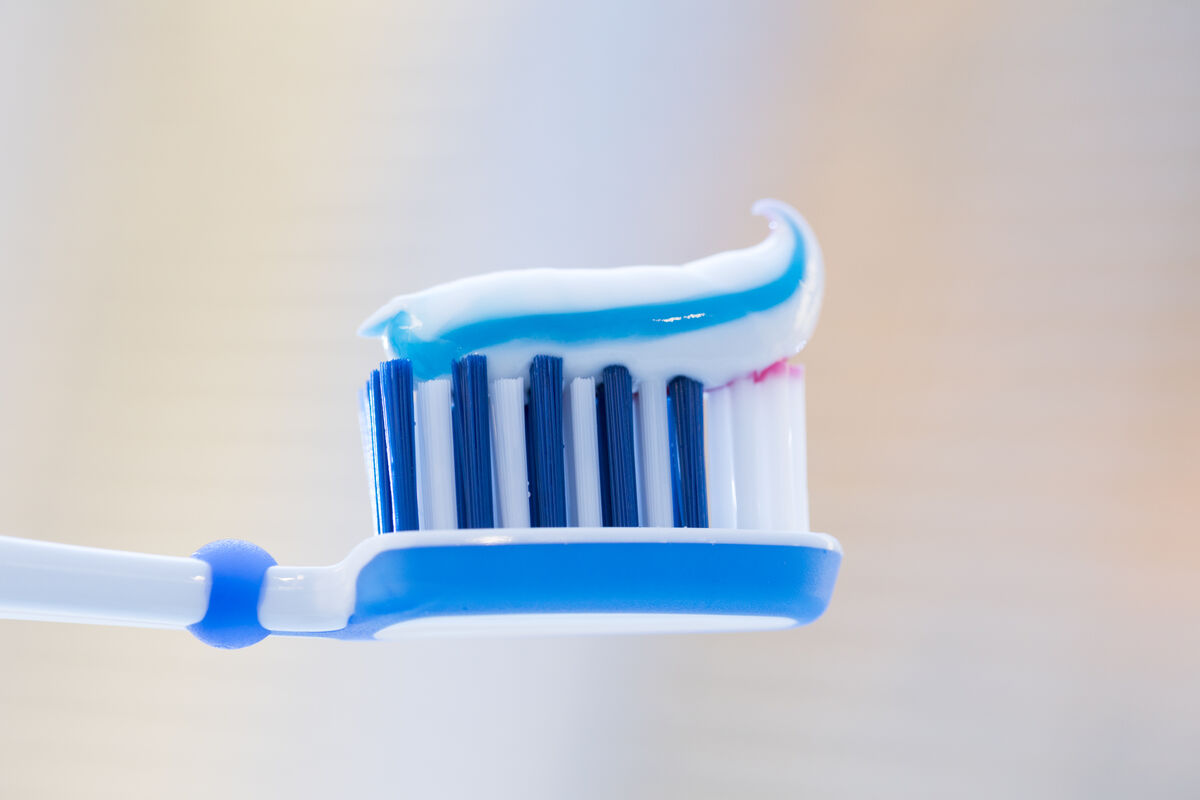
A pea-sized amount is sufficient for adults and children over 6. The toothpaste ads showing a perfect ribbon covering the full length of the brush head use far more than necessary -- that is marketing, not dental advice. Using too much toothpaste creates excessive foam, which can make you feel like you have brushed longer than you actually have, potentially leading to shorter brushing times.
Sources
- American Dental Association. "Toothpastes." ADA.org Oral Health Topics. Updated February 2026.
- CDC. "Oral Health Surveillance Report: Trends in Dental Caries and Sealants, Tooth Retention, and Edentulism." 2025.
- Walsh, T. et al. "Fluoride toothpastes of different concentrations for preventing dental caries." Cochrane Database of Systematic Reviews, 2019; Issue 3.
- Amaechi, BT. et al. "Comparative efficacy of hydroxyapatite and fluoride toothpaste: A systematic review and meta-analysis." Journal of Dentistry, 2025; 132: 104876.
- Ccahuana-Vasquez, RA. et al. "Stannous fluoride dentifrice and gingivitis reduction: a 24-week randomized clinical trial." Journal of Clinical Periodontology, 2025; 52(1): 88-97.
- Greenwall-Cohen, J., Greenwall, L. "The safety of tooth whitening: a review." Dental Update, 2024; 51(2): 112-119.
- Brooks, JK. et al. "Charcoal and charcoal-based dentifrices: A literature review." Journal of the American Dental Association, 2023; 148(9): 661-670.