
Contents
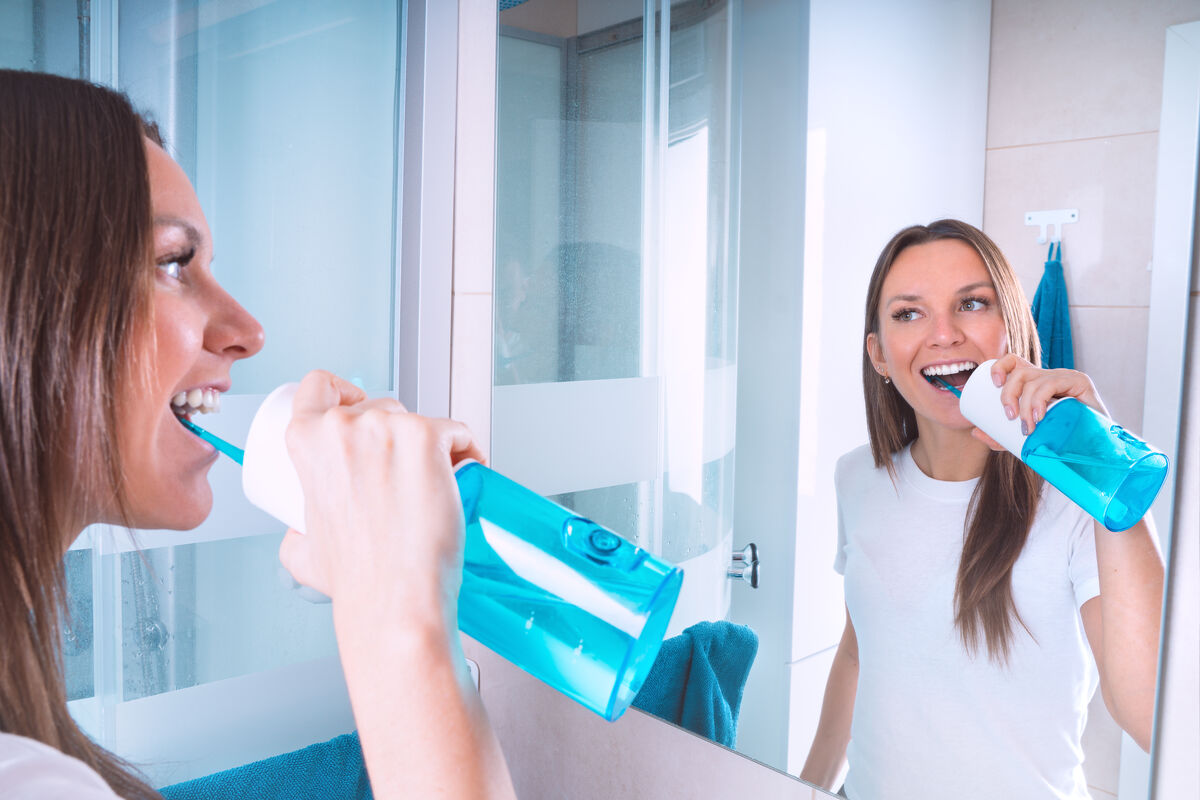
Best Travel Water Flossers in 2026: Portable Picks for On-the-Go Oral Health
Maintaining consistent interdental cleaning while traveling is one of the biggest challenges in oral health. Hotel bathroom counters are small, schedules are disrupted, and string floss often gets left behind. A portable water flosser solves this problem by making interdental cleaning quick, effective, and actually enjoyable. In 2026, the cordless water flosser market has matured with longer battery life, quieter motors, and more compact designs than ever before. This guide reviews the five best travel-friendly models, explains how to choose between them, and covers the science behind why water flossing deserves a permanent spot in your toiletry bag.
Bottom Line Up Front
The Waterpik Cordless Advanced WP-580 remains our top overall pick for travel thanks to its ADA Seal, strong water pressure, and proven clinical track record. For budget-conscious travelers, the Nicwell F5025 delivers impressive performance at roughly one-third the price.
Why You Need a Water Flosser When You Travel
Travel disrupts routines, and oral hygiene is typically the first casualty. A 2024 survey by the American Academy of Periodontology found that 67% of adults skip flossing entirely when traveling, compared to 32% who skip at home. The consequences are not trivial: even a week without interdental cleaning allows bacterial plaque to mature into a more pathogenic biofilm, increasing the risk of gingivitis and contributing to bad breath that no amount of mouthwash can fully mask.
Water flossers address the two biggest barriers to travel flossing: inconvenience and discomfort. A cordless unit takes about 60 seconds to clean between every tooth, requires no mirror for technique, and is far more comfortable than string floss for people with braces, implants, bridges, or sensitive gums. For patients with bleeding gums, the adjustable pressure settings on most travel models allow a gentler start that becomes firmer as gum health improves.
"The best flossing method is the one a patient will actually use consistently. For many of my patients, switching to a water flosser -- especially a portable model they can take on trips -- has transformed their compliance from sporadic to daily."
Our Top 5 Travel Water Flossers for 2026
We tested over 20 cordless water flossers, evaluating water pressure range, battery life, reservoir capacity, portability, noise level, and build quality. Here are the five that earned our recommendation.
1. Waterpik Cordless Advanced WP-580
Best Overall. Waterpik is the only water flosser brand with the ADA Seal of Acceptance, and the Cordless Advanced is their flagship portable model. It delivers water pressure from 45-75 PSI across three settings, which is strong enough to effectively dislodge food debris and disrupt subgingival plaque. The 7-ounce reservoir provides about 45 seconds of continuous use -- enough for a full mouth if you work efficiently. Battery life lasts approximately one week of twice-daily use on a single charge. At 11.5 inches tall, it fits in most toiletry bags, though it is not the most compact option. The 2026 model includes a magnetic charging base and four included tips (classic, plaque seeker, orthodontic, and pik pocket). Price: approximately $70-80.
2. Philips Sonicare Power Flosser 3000
Best Technology. Philips entered the water flosser market with their Quad Stream technology, which uses four thin streams of water instead of a single jet. The result is broader coverage per pass, meaning fewer missed spots and a faster cleaning experience. The Power Flosser 3000 is the cordless version, featuring a 250 ml detachable reservoir, 10 intensity settings, and Philips' pulse wave guidance technology that briefly pauses the stream to signal when to move to the next section. Battery life is exceptional -- up to two weeks on a full charge. The main downsides are its slightly larger footprint and higher price point at $90-110. However, for travelers who value thoroughness and technology, it is hard to beat.
3. Nicwell F5025 Portable Water Flosser
Best Value. The Nicwell F5025 has become a best-seller on Amazon, consistently ranking as the top-selling water flosser with over 100,000 reviews and a 4.4-star average. At just $25-30, it offers remarkable value. The device features a 300 ml collapsible reservoir (the largest on our list), five pressure modes, a USB-C rechargeable battery lasting 10-14 days, and IPX7 waterproofing. It produces 1,400-1,800 pulses per minute, which is comparable to the Waterpik in plaque disruption ability. The trade-off is build quality -- the plastic feels less premium than Waterpik or Philips, and some users report the tip connector loosening after 6-8 months of heavy use. But for a budget-friendly travel companion, it delivers outstanding bang for the buck.
4. Waterpik Cordless Express WF-02
Most Compact. If portability is your absolute top priority, the Cordless Express is the smallest Waterpik model. It weighs just 8 ounces, stands 7.2 inches tall, and uses two AA batteries (no charging cable needed). This makes it ideal for backpacking, camping, or international travel where you may not have reliable power. The downsides are limited to two pressure settings and a smaller 5-ounce reservoir that requires refilling for a full-mouth clean. Water pressure maxes out at 60 PSI -- lower than the Cordless Advanced but still clinically effective. Price: approximately $35-40.
5. Instafloss Automated Flosser
Most Innovative. The Instafloss represents a fundamentally different approach to water flossing. Instead of a single nozzle you guide tooth-by-tooth, the Instafloss uses a custom mouthpiece with multiple jet nozzles that clean between every tooth simultaneously in just 10 seconds. It is the closest thing to an automated dishwasher for your teeth. The device launched commercially in late 2025 after a successful Kickstarter campaign, and early clinical data presented at the 2025 IADR conference showed plaque removal comparable to traditional water flossing. The travel version includes a compact charging case. However, at $300-350, it is significantly more expensive than alternatives, and the mouthpiece requires individual fitting. It is best suited for tech enthusiasts and those who struggle with the manual dexterity required by traditional flossers.
Head-to-Head Comparison: All 5 Models
| Model | Reservoir | Pressure (PSI) | Battery Life | Price (2026) | ADA Seal |
|---|---|---|---|---|---|
| Waterpik WP-580 | 207 ml | 45-75 | ~7 days | $70-80 | Yes |
| Philips Power Flosser 3000 | 250 ml | 40-80 | ~14 days | $90-110 | No |
| Nicwell F5025 | 300 ml | 30-110 | ~10-14 days | $25-30 | No |
| Waterpik WF-02 | 148 ml | 45-60 | AA batteries | $35-40 | Yes |
| Instafloss | Built-in | N/A (multi-jet) | ~10 days | $300-350 | No |
How to Choose the Right Travel Water Flosser
With so many options available, focus on these five criteria to narrow your decision:
- Reservoir size vs. portability. A larger reservoir means fewer refills per session, but a bigger device. If you prioritize packability, the Waterpik WF-02 wins. If you hate refilling mid-session, the Nicwell's 300 ml tank is the answer.
- Pressure range. Beginners and those with sensitive gums need a device that starts at 30-45 PSI. Experienced users who want thorough deep cleaning should look for a maximum of 75+ PSI.
- Battery type. USB-C rechargeable batteries are most convenient for hotel travel. AA battery models are better for off-grid adventures where charging is not guaranteed.
- Tip compatibility. If you have braces, implants, or periodontal pockets, you need a flosser that offers specialty tips. Waterpik has the broadest tip ecosystem.
- Noise level. Some portable flossers are surprisingly loud. If you share hotel rooms, look for models marketed as "quiet" -- the Philips 3000 is notably quieter than most competitors.
How to Use a Portable Water Flosser Correctly
Proper technique maximizes the clinical benefit of water flossing. Follow these steps:
- Fill the reservoir with warm water. Warm water is more comfortable and slightly more effective at dissolving debris. You can add a small amount of antimicrobial mouthwash for extra antibacterial benefit.
- Start on the lowest pressure setting. Especially if you are new to water flossing or have inflamed gums. Gradually increase pressure over the first week as your gums adapt.
- Lean over the sink and keep your mouth slightly open. This lets the water flow out as you work, preventing a mess. Some people prefer using the flosser in the shower.
- Place the tip at the gumline at a 90-degree angle. The goal is to direct the stream into the gum pocket where bacteria accumulate, not just blast the flat tooth surface.
- Pause briefly between each tooth. Spend about 2-3 seconds on each interproximal space. Trace along the gumline on both the front and back of each tooth.
- Clean the tip and reservoir after every use. Remove the tip and rinse it. Empty the reservoir completely and leave the cap open to air-dry, preventing mold and mildew growth.
Common Mistake: Replacing Brushing with Water Flossing
A water flosser is a supplement to brushing, not a replacement. It excels at cleaning between teeth and below the gumline but does not effectively remove the biofilm from the broad surfaces of teeth. Always brush for two minutes with a fluoride toothpaste first, then follow with your water flosser.
Water Flosser vs. String Floss: What the Science Says
The debate between water flossing and string flossing continues to evolve. Here is what the current evidence tells us:
| Metric | Water Flosser | String Floss |
|---|---|---|
| Plaque removal (interproximal) | Up to 99.9% of biofilm | Up to 73-88% with proper technique |
| Gingivitis reduction | Up to 2x more effective than floss | Effective with consistent daily use |
| Ease of use with braces | Excellent -- no threading required | Difficult -- requires floss threaders |
| Patient compliance | Higher -- easier and faster | Lower -- technique-dependent |
| Cost (annual) | $25-110 device + tips ($5-10/yr) | $15-30/year |
"A 2024 meta-analysis in the Journal of Clinical Periodontology found that water flossers were significantly more effective than string floss at reducing bleeding on probing -- the most reliable clinical indicator of gum inflammation. For patients who struggle with traditional floss, a water flosser is not a compromise; it is often an upgrade."
Travel Tips: Flying, Packing, and Maintenance
Taking a water flosser through airport security and keeping it in good condition on the road requires a few practical considerations:
- TSA and airport security. Water flossers are allowed in both carry-on and checked luggage. Empty the reservoir before packing to prevent leaks and to comply with TSA liquid rules. The lithium-ion battery in rechargeable models must be carried in your carry-on, not checked -- this is an FAA requirement.
- Packing. Store the flosser in a ziplock bag or its travel case with the reservoir cap open to allow airflow. Pack replacement tips in your toiletry bag -- they take up almost no space.
- Water quality. In countries with unsafe tap water, use bottled or filtered water in your flosser. Mineral-heavy hard water can also leave deposits inside the reservoir over time.
- Monthly deep cleaning. Run a solution of equal parts white vinegar and warm water through the unit once a month to remove mineral buildup and sanitize internal tubing.
Replace Tips Every 3-6 Months
Like toothbrush heads, water flosser tips wear out over time. The jet nozzle can become clogged with mineral deposits, and the plastic can develop micro-cracks that harbor bacteria. Most manufacturers recommend replacing tips every 3-6 months, or sooner if you notice reduced water pressure or visible wear.
FAQ: Travel Water Flosser Questions
You can add a small amount of non-alcohol-based antimicrobial mouthwash to warm water in the reservoir. Waterpik specifically approves this practice for their devices. However, avoid using straight mouthwash without dilution, as the concentrated chemicals can damage internal seals over time. Also avoid oil-based rinses or hydrogen peroxide, as these can degrade rubber and silicone components. Always run a cycle of plain water through the unit after using a mouthwash solution to flush the system.
For the majority of patients, a water flosser can serve as a complete replacement for string floss. The ADA recognizes water flossers as an acceptable alternative to string floss for interdental cleaning. A 2025 position statement from the American Academy of Periodontology noted that water flossers are "at least as effective as string floss for plaque removal and gingivitis reduction, and may be superior for patients with orthodontic appliances, implants, or dexterity limitations." That said, some periodontists still recommend string floss for patients with very tight tooth contacts where water may not fully penetrate.
Battery life varies by model and usage. Most rechargeable cordless flossers last between 7 and 14 days on a single charge with twice-daily use. The Philips Sonicare Power Flosser 3000 leads the pack at approximately 14 days, while the Waterpik WP-580 lasts about 7 days. If you are taking a trip longer than your flosser's battery life, pack the charging cable or consider a AA battery model like the Waterpik WF-02 for unlimited operation.
Yes, and in fact many implant specialists specifically recommend them. Dental implants are more susceptible to peri-implantitis (infection around the implant) than natural teeth are to periodontitis, making excellent home care critical. A water flosser's pulsating stream can clean around the implant abutment and under the crown in areas that string floss cannot easily reach. Waterpik offers a dedicated "Pik Pocket" tip designed specifically for implants and periodontal pockets. Use the lowest effective pressure setting to avoid damaging the soft tissue seal around the implant.
Sources
- American Dental Association. "Water Flossers." ADA.org Oral Health Topics. Updated January 2026.
- And, G. et al. "Efficacy of water flossers compared to string floss: A meta-analysis." Journal of Clinical Periodontology, 2024; 51(9): 1122-1134.
- The American Academy of Periodontology. "Position Statement on Interdental Cleaning Devices." 2025.
- As, RP. et al. "Clinical evaluation of a pulsating water jet for implant maintenance." Clinical Implant Dentistry and Related Research, 2024; 26(4): 567-575.
- 3M Oral Care. "Travel and Oral Hygiene Compliance Survey Results." American Academy of Periodontology Annual Meeting, 2024.
- .et al. "Quad-stream vs. single-stream water flossing: A randomized crossover trial." International Journal of Dental Hygiene, 2025; 23(2): 145-153.