
Contents
Veneers Cost 2026: Porcelain vs Composite, Per Tooth & Full Set
Veneers cost $250 to $2,500 per tooth in the United States in 2026. Porcelain veneers run $925 to $2,500 per tooth, composite veneers $250 to $1,500, and a full smile makeover of 6 to 8 teeth totals $6,000 to $20,000. Insurance does not cover veneers, as they are classified as cosmetic treatment.
The material drives the price, the lifespan, and the look. This guide breaks down every option, prices a full set realistically, and covers the lower-cost routes, including the ones to avoid.
Dental veneers remain one of the most sought-after cosmetic dental treatments worldwide, and for good reason. These ultra-thin shells can transform stained, chipped, gapped, or misaligned teeth into a uniform, natural-looking smile in as few as two appointments. But with prices ranging from a few hundred to several thousand dollars per tooth, and with the decision being partially irreversible for traditional veneers, it pays to be thoroughly informed before committing. This comprehensive 2026 guide covers every aspect of dental veneers -- from the different types and materials to the latest cost data, placement procedure, care guidelines, and honest pros and cons.
What Are Dental Veneers and How Do They Work?
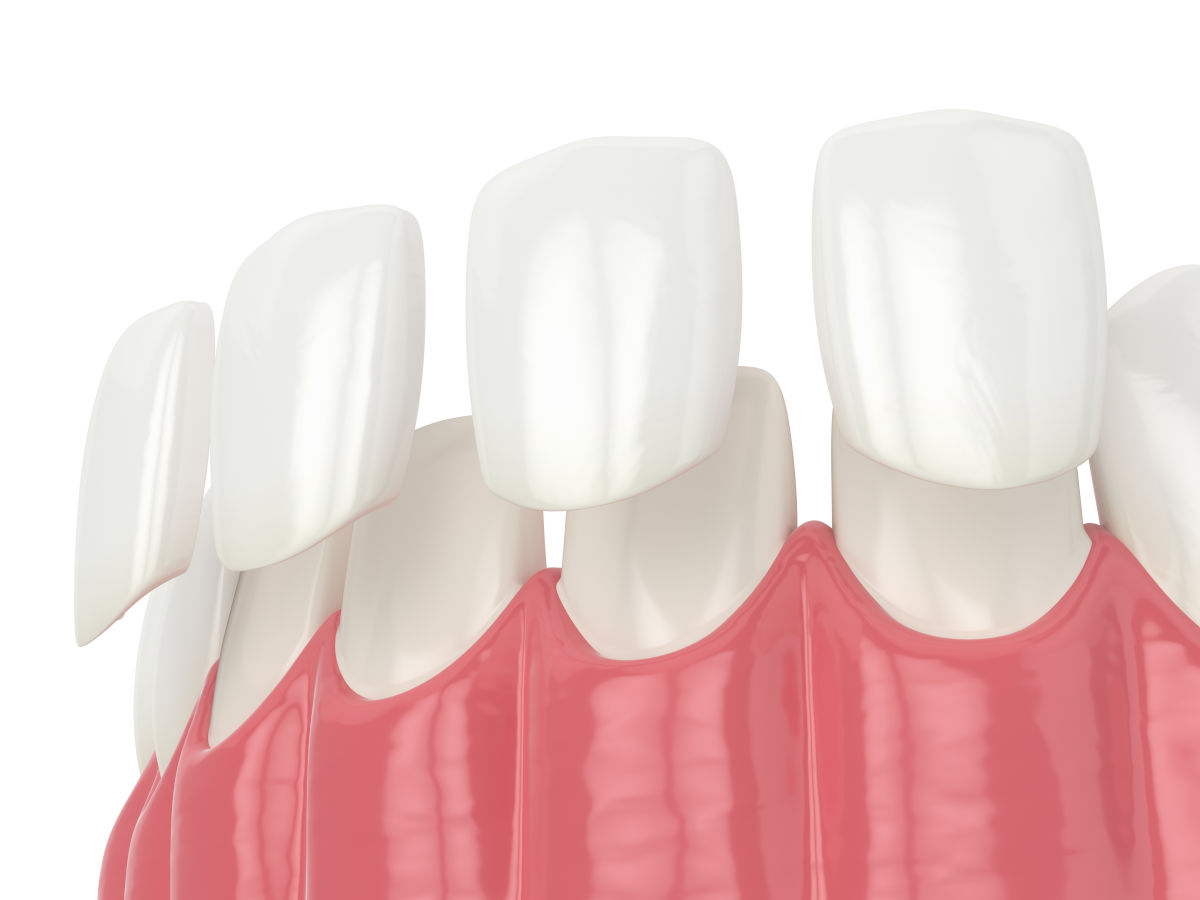
A dental veneer is a custom-fabricated, wafer-thin shell of tooth-colored material that is permanently bonded to the front (labial) surface of a tooth. Think of it as a facade for your tooth -- it covers and conceals cosmetic imperfections while preserving the natural tooth structure underneath.
Veneers are designed to correct a wide range of aesthetic issues, including:
- Severe Discoloration: Stains that do not respond to professional whitening, such as tetracycline staining or fluorosis.
- Chips and Cracks: Minor structural damage to the visible surface of front teeth.
- Gaps (Diastemas): Small to moderate spacing between teeth, particularly between the upper central incisors.
- Misshapen or Uneven Teeth: Teeth that are naturally too small, too pointed, or irregularly shaped.
- Minor Misalignment: Slightly crooked teeth that do not warrant orthodontic treatment.
- Worn Enamel: Teeth that have been eroded by acid or abrasion over time.
Veneers are most commonly placed on the upper front six to eight teeth -- the ones most visible during smiling. However, lower teeth can also receive veneers depending on the patient's needs and smile design.
Porcelain vs. Composite Veneers: A Detailed Comparison
The two primary materials used for dental veneers are porcelain (ceramic) and composite resin. Each has distinct advantages and trade-offs that make it better suited for different clinical situations, budgets, and patient priorities.
| Feature | Porcelain Veneers | Composite Veneers |
|---|---|---|
| Material | Pressed or milled ceramic (lithium disilicate, feldspathic, or zirconia-reinforced) | Tooth-colored composite resin, hand-sculpted or injection-molded |
| Fabrication | Lab-made from impressions or digital scans; requires 1-2 weeks | Chairside (directly applied) or lab-fabricated (indirect) |
| Aesthetics | Superior -- mimics the translucency and light-reflection of natural enamel; highly customizable | Very good; skilled cosmetic dentists can achieve excellent results, but less translucent than porcelain |
| Stain Resistance | Excellent -- glazed porcelain resists staining for the life of the veneer | Moderate -- composite is more porous and can discolor over time with coffee, tea, and red wine |
| Durability | 10-25 years with proper care; fracture-resistant | 5-10 years; more susceptible to chipping and wear |
| Tooth Preparation | Requires removal of 0.3-0.7 mm of enamel (irreversible) | Minimal to no enamel removal in many cases (potentially reversible) |
| Appointments | 2-3 visits over 2-4 weeks | Often completed in a single visit (direct technique) |
| Repairability | Cannot be repaired if fractured -- must be replaced entirely | Can often be repaired chairside without full replacement |
| Cost Per Tooth (2026 U.S.) | $925 - $2,500 | $250 - $1,500 |
"When patients ask me which material is better, I tell them it depends on their goals and timeline. Porcelain veneers are the gold standard for longevity and aesthetics, especially for full-smile makeovers. But composite veneers are an excellent choice for single-tooth corrections, younger patients, or anyone who wants a more conservative and reversible option."
No-Prep and Minimally-Invasive Veneers Explained
One of the biggest concerns patients express about veneers is the irreversible removal of natural enamel. In response, the dental industry has developed no-prep and minimal-prep veneer systems that preserve significantly more tooth structure.
Lumineers and Other No-Prep Brands
Lumineers (by DenMat) were among the first commercially marketed no-prep veneers. These ultra-thin porcelain shells (as thin as 0.2 mm -- roughly the thickness of a contact lens) are bonded directly over your existing teeth with little to no enamel removal. Because the underlying tooth structure remains intact, the procedure is theoretically reversible.
Other no-prep or minimal-prep systems that have gained traction in 2025-2026 include Vivaneers, DURAthin, and IPS e.max minimal-prep designs. Each uses advanced ceramic materials that allow for extremely thin yet strong veneers.
The Veneer Placement Process: Step by Step
Understanding the veneer placement process helps set realistic expectations. Here is what a typical porcelain veneer procedure looks like from consultation to completion:
Step 1: Consultation and Smile Design
Your cosmetic dentist will discuss your aesthetic goals, examine your teeth and gums, take X-rays, and possibly create a digital smile design using software that superimposes your projected results onto a photograph of your face. Many practices also offer a diagnostic wax-up or trial smile -- a mock-up that lets you preview and approve your new smile before any work begins.
Step 2: Tooth Preparation
For traditional porcelain veneers, the dentist removes approximately 0.3-0.7 mm of enamel from the front surface of each tooth being treated. This ensures the veneer will fit flush with the surrounding teeth and not appear bulky. The procedure is performed under local anesthesia and is painless. Digital or physical impressions are then taken and sent to a dental laboratory. You will leave with temporary veneers to protect the prepared teeth.
Step 3: Try-In and Bonding
Once the lab-crafted veneers arrive (typically 1-3 weeks later), temporary veneers are removed and the permanent ones are tried in for fit, shape, and color. Adjustments are made as needed. When you and your dentist are both satisfied, the tooth surfaces are cleaned, etched with a mild acid solution, and coated with a bonding agent. The veneers are placed using a light-activated resin cement and cured with a special UV light that hardens the bond in seconds. Final adjustments to the bite are made, and you leave with your new smile.
How Much Do Dental Veneers Cost in 2026?
The cost of dental veneers varies significantly based on the material, the dentist's expertise and location, the complexity of the case, and whether a dental laboratory or in-office CAD/CAM technology is used. Here is a breakdown of typical 2026 pricing in the United States:
| Type | How it works | Cost per tooth 2026 | Lifespan |
|---|---|---|---|
| Composite veneers | Resin sculpted directly on the tooth in one visit | $250 to $1,500 | 5 to 7 years |
| Porcelain veneers | Custom lab-made shells bonded to prepared teeth | $925 to $2,500 | 10 to 15 years |
| No-prep veneers (Lumineers type) | Ultra-thin porcelain, minimal enamel removal | $800 to $2,000 | 10+ years |
| Snap-on veneers | Removable cosmetic arch, no procedure | $300 to $600 per arch | 2 to 5 years |
Porcelain wins on realism and stain resistance: it reflects light like natural enamel and does not discolor with coffee or wine. Composite wins on price, speed (one appointment), and reversibility on minimal-prep cases, but it stains and chips more easily.
"I encourage patients to think of veneers as a long-term investment rather than a cost. A set of high-quality porcelain veneers that lasts 20 years costs about $1-2 per day. For many people, the confidence and quality-of-life improvement is well worth that."
Full Set of Veneers: The Real Math
Most "full set" makeovers cover the 6 to 8 teeth visible when you smile, not all 28.
| Scope | Composite | Porcelain |
|---|---|---|
| Single tooth | $250 to $1,500 | $925 to $2,500 |
| 4 front teeth | $1,000 to $6,000 | $3,700 to $10,000 |
| 6 to 8 teeth (smile line) | $1,500 to $12,000 | $6,000 to $20,000 |
Location moves the bill: cosmetic dentists in New York, Los Angeles, or Miami charge at the top of these ranges, while the same porcelain veneer runs 30 to 40 percent less in mid-size markets. The dentist's cosmetic portfolio matters more than the city, though. Ask to see before-and-after photos of their own cases, not stock images.
What the Quote Should Include
A complete veneer quote covers the consultation and smile design, any imaging, tooth preparation, temporary veneers while the lab works, the final bonding appointment, and one adjustment visit. Quotes that look cheap often exclude the temporaries or the design phase. Two questions filter serious providers: how many veneer cases do you complete per year, and who fabricates them (an in-house lab is faster, a premium external lab is often finer).
4 Ways to Pay Less for Veneers
- Choose composite for a trial run. A composite veneer on one or two teeth costs a fraction of porcelain and can be replaced by porcelain later once you are sure of the result.
- Dental schools. Cosmetic dentistry programs place veneers under supervision for 30 to 50 percent less. Longer appointments, strong quality control.
- HSA and FSA rarely apply. Veneers are cosmetic, so pre-tax funds are excluded unless the veneer restores a broken or damaged tooth. If your case is restorative, ask your dentist to document it: the classification changes both tax treatment and, occasionally, insurance.
- Beware of extreme low-cost offers. Veneer packages advertised far below market rates, especially abroad, often compensate with aggressive enamel removal or crown-style preparation. Enamel does not grow back. A veneer is reversible only if the preparation was minimal.
Who Is a Good Candidate for Veneers?
Ideal candidates for dental veneers typically share the following characteristics:
- Good Overall Oral Health: No active cavities, gum disease, or infections. These must be addressed before cosmetic work.
- Adequate Enamel: There must be enough healthy enamel remaining for the bonding process to work effectively.
- Realistic Expectations: Understanding that veneers improve appearance but are not indestructible and require ongoing care.
- Commitment to Oral Hygiene: Veneers require the same diligent brushing, flossing, and regular dental visits as natural teeth.
- Non-Smokers or Willing to Quit: Smoking can stain composite veneers and compromise the health of the underlying gum tissue.
Contraindications: When Veneers Are Not Recommended
Your cosmetic dentist will likely advise against veneers if any of the following apply:
- Active Periodontal Disease: Gum disease must be treated and stabilized before placing veneers. Inflamed or receding gums will compromise the fit and longevity of the restoration.
- Severe Bruxism (Teeth Grinding): The excessive forces generated by clenching and grinding can crack or dislodge porcelain veneers. If bruxism is present, it must be managed with a custom nightguard, and the dentist may recommend more durable materials.
- Insufficient Enamel: If too much enamel has been lost to erosion, abrasion, or previous dental work, the bonding may not be strong enough. A crown may be a better alternative.
- Significant Malocclusion: Severe misalignment, crossbites, or deep overbites usually require orthodontic correction before veneers can be placed properly.
- Large Existing Restorations: Teeth with large fillings or previous root canal treatment may be better served by full-coverage crowns rather than veneers.
Caring for Your Veneers to Maximize Longevity
One of the best aspects of dental veneers is that they require no special maintenance beyond the excellent oral hygiene routine you should already be following. Here are the key guidelines:
- Brush Twice Daily: Use a soft-bristled or electric toothbrush with a non-abrasive fluoride toothpaste. Avoid whitening toothpastes containing harsh abrasives, as these can dull the glaze on porcelain over time.
- Floss Daily: Proper interdental cleaning prevents decay at the veneer margins where the veneer meets natural tooth structure.
- Avoid Biting Hard Objects: Do not use your veneered teeth to open packages, bite fingernails, chew ice, or crack nuts. While porcelain veneers are strong, they can fracture under excessive point loading.
- Wear a Nightguard: If you have any tendency toward clenching or grinding, a custom-made nightguard is essential for protecting your investment.
- Limit Staining Agents (for Composite): If you have composite veneers, minimize exposure to coffee, tea, red wine, and tobacco. Porcelain veneers are highly stain-resistant and do not require this precaution.
- Regular Dental Checkups: Visit your dentist every six months for cleanings and examinations. Your dentist will check the integrity of the veneer bonds and margins at each visit.
Veneers vs. Other Cosmetic Options
Veneers are not the only path to a beautiful smile. Here is how they compare to other popular cosmetic dental treatments:
| Treatment | Best For | Approximate Cost | Enamel removal | Longevity | Reversible? |
|---|---|---|---|---|---|
| Porcelain Veneers | Color, shape, gaps, minor misalignment | $925 to $2,500 per tooth | Minimal to moderate | 10-15 years | No |
| Composite Veneers | Color, shape, gaps on a budget | $250 to $1,500 per tooth | Minimal | 5 to 7 years | |
| Teeth Whitening | Color only | $25 to $1,000 total | None | 6 months to 3 years | Yes |
| Dental Bonding | Small chips and gaps | $300 to $600 per tooth | None | 5-10 years | Yes |
| Clear Aligners | Misalignment and spacing | $795-$8,000 (full treatment) | None | Permanent (with retainer) | Yes |
| Dental Crowns | Damaged or weak teeth | $800 to $2,500 per tooth | Significant | 10-15 years | No |
If your only complaint is color, whitening at a fraction of the price should come first: many veneer consultations end with a whitening plan instead. If a tooth is structurally damaged, a crown protects it better than a veneer. Only a clinical exam sorts your case: book a cosmetic consultation before committing to a full set.
Conclusion: Making the Right Decision for Your Smile
Dental veneers offer a remarkable combination of aesthetics, durability, and versatility that few other cosmetic treatments can match. Whether you choose porcelain for its unrivaled beauty and longevity or composite for its affordability and conservative approach, veneers can transform your smile and your confidence in a matter of weeks.
However, this is not a decision to rush. The right veneer treatment depends on the health of your teeth and gums, the specific cosmetic issues you want to address, your budget, and your long-term expectations. A comprehensive consultation with a qualified cosmetic dentist -- ideally one accredited by the American Academy of Cosmetic Dentistry (AACD) -- is the essential first step.
When done right, dental veneers are one of the most satisfying investments you can make in yourself. Patients consistently rank veneer treatments among the highest in satisfaction scores in cosmetic dentistry research, with over 95% reporting they would choose the procedure again.
FAQ: Your Top Questions About Dental Veneers
$250 to $1,500 for composite and $925 to $2,500 for porcelain in 2026. No-prep porcelain brands run $800 to $2,000. Prices vary with the dentist's cosmetic experience and your local market more than with any other factor.
A smile-line set of 6 to 8 teeth costs $6,000 to $20,000 in porcelain or $1,500 to $12,000 in composite in 2026. Full-mouth cases beyond 8 teeth are rare and usually mix veneers with crowns.
No. Veneers are cosmetic, and dental insurance excludes cosmetic treatment. The exception is a veneer that restores a tooth broken by accident or decay, which some plans cover partially as a restorative procedure. Documentation from your dentist decides the classification.
For discoloration that whitening cannot fix, misshapen teeth, or persistent gaps, porcelain veneers deliver a 10 to 15 year result that no other cosmetic option matches. For color-only concerns, whitening costs 90 percent less. The honest answer depends on your goal, which is exactly what a cosmetic consultation should establish.
Porcelain veneers last 10 to 15 years with normal care, composite 5 to 7 years. Grinding, nail biting, and using teeth as tools shorten both. A night guard extends the life of veneers for grinders at $100 to $500.
Composite veneers at a dental school are the cheapest legitimate route, often $150 to $400 per tooth. Snap-on veneers cost less upfront but are removable cosmetic covers, not a dental treatment. Extreme low-cost porcelain offers usually hide aggressive tooth preparation: cheap becomes expensive when enamel is gone.
Traditional porcelain veneers require a thin layer of enamel removal (0.3-0.7 mm), which is irreversible. However, the underlying tooth remains healthy and functional. The veneer protects the prepared surface. No-prep veneers preserve natural tooth structure entirely and are considered reversible. When placed by a skilled cosmetic dentist, veneers do not damage your teeth -- they enhance them.
No. The tooth preparation is performed under local anesthesia, so you will not feel pain during the procedure. Some patients experience mild sensitivity for a few days after the preparation and after the permanent veneers are bonded, but this is temporary and manageable with over-the-counter pain relievers. No-prep veneers typically require no anesthesia at all.
According to a 2023 systematic review in the Journal of Dentistry, porcelain veneers have a survival rate of approximately 94% at 10 years and 83% at 20 years. With excellent oral hygiene, regular dental visits, and protective habits (nightguard, avoiding hard foods), many patients enjoy their porcelain veneers for 20 years or more. Composite veneers typically last 5 to 10 years before requiring replacement or repair.
No. Porcelain and composite veneers cannot be whitened with bleaching agents once they are placed. The color is permanently set. This is why dentists recommend whitening your natural teeth to your desired shade before selecting the veneer color, ensuring a consistent match. If composite veneers become significantly stained, they can often be polished or resurfaced by your dentist to restore brightness.
When a porcelain veneer reaches the end of its lifespan or becomes damaged, it is carefully removed and a new veneer is fabricated and bonded in its place. In most cases, the underlying tooth remains healthy and can receive a new veneer. Occasionally, additional enamel preparation is needed, or the dentist may recommend upgrading to a full crown if the tooth structure has been compromised over time. The replacement process is essentially the same as the original placement.
Sources
- Beier US, Kapferer I, Steyrer D, The longevity of ceramic veneers: a systematic review and meta-analysis. Journal of Dentistry, 2023; 130: 104436.
- Pini NP, et al. Advances in dental veneers: A review. Journal of Prosthetic Dentistry, 2024; 131(3): 411-420.
- American Academy of Cosmetic Dentistry (AACD). Patient satisfaction survey data on veneer procedures, 2024.
- DenMat Holdings. Lumineers clinical documentation and manufacturer specifications, updated 2025.
- Peumans M, et al. Porcelain veneers: a review of the literature. Journal of Dentistry, 2000; 28(3): 163-177 (foundational review, still widely cited).
- American Dental Association (ADA). Consumer guide to dental veneers, updated 2025.
- CareCredit / Sunbit. Dental financing survey data on cosmetic procedure costs in the U.S., 2025.
- Strassler HE, Shade selection, communication, and reproduction in fixed prosthodontics and dental ceramics. Compendium of Continuing Education in Dentistry, 2022; 43(8): 476-483.