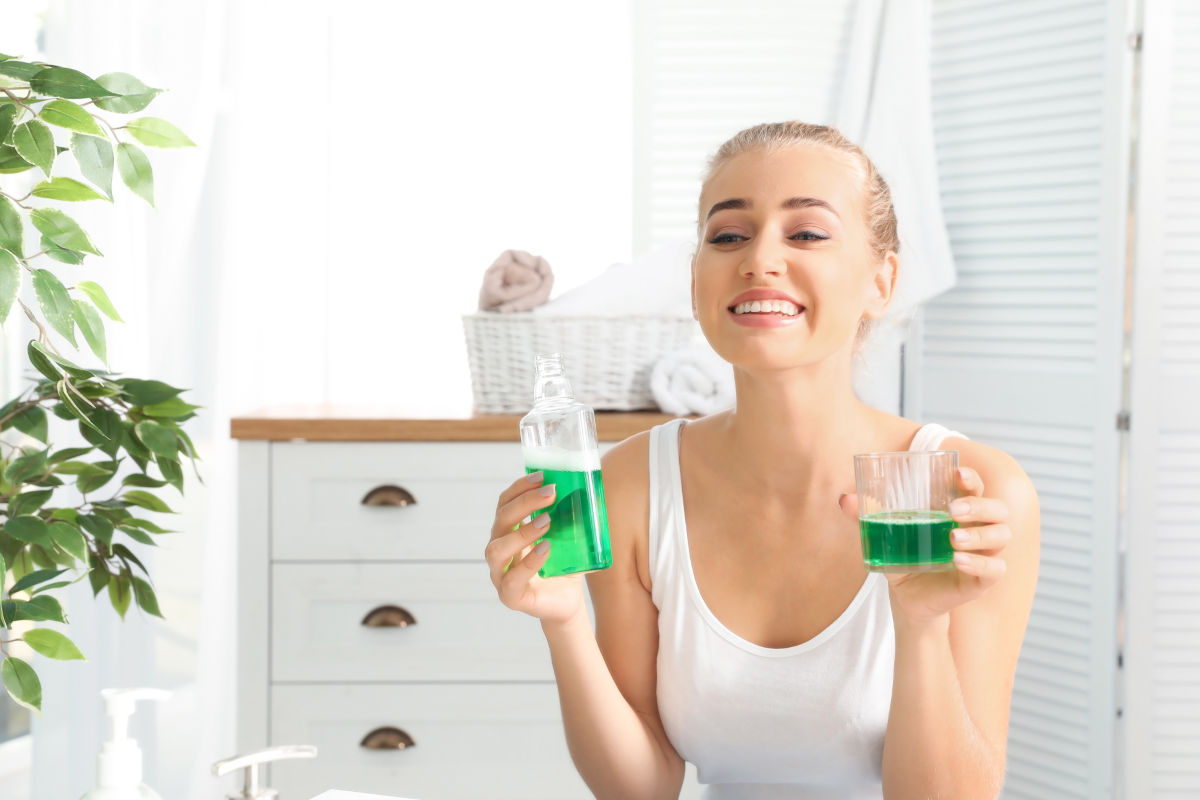
How to Use Mouthwash Correctly in 2026: Types, Benefits, and Expert Recommendations
Products & Breath

How to Use Mouthwash Correctly in 2026: Types, Benefits, and Expert Recommendations

Mouthwash is the most commonly misused product in oral care. Many people grab a bottle off the shelf, swish for a few seconds, and assume they have improved their dental health. In reality, the effectiveness of mouthwash depends entirely on choosing the right type for your specific needs and using it with proper technique and timing. This 2026-updated guide breaks down the science behind mouthwash, compares every major category and active ingredient, and provides step-by-step instructions for getting real clinical benefit from this often-overlooked tool.

Critical Point

Mouthwash is a supplement, never a substitute. No rinse can replace the mechanical plaque removal provided by brushing and flossing. Think of mouthwash as the final layer in a three-step defense system.

What Mouthwash Actually Does (and Does Not Do)

When used correctly, a therapeutic mouthwash can reach areas that brushing and flossing may miss -- the soft tissue of the tongue, the roof of the mouth, the inner cheeks, and hard-to-access surfaces around the gumline. Depending on the active ingredient, it can kill bacteria, strengthen enamel, reduce inflammation, or neutralize the volatile sulfur compounds (VSCs) responsible for bad breath.

However, mouthwash cannot remove the sticky biofilm of plaque that has already adhered to tooth surfaces. Only the mechanical action of a toothbrush and floss or interdental brushes can physically disrupt and remove this biofilm. A common misconception is that mouthwash can "wash away" plaque -- it cannot. What it can do is kill free-floating bacteria before they colonize, slow the rate of plaque re-formation after cleaning, and deliver therapeutic agents (like fluoride) to tooth surfaces.

"I tell my patients to think of brushing and flossing as scrubbing the kitchen counter, and mouthwash as the disinfectant spray you use afterward. The spray alone would not clean a dirty surface, but after scrubbing, it adds an important layer of protection." -- Dr. Ada Cooper, DDS, ADA Consumer Advisor Spokesperson

Types of Mouthwash Compared

The mouthwash market is divided into two broad categories: cosmetic rinses that temporarily freshen breath and therapeutic rinses that contain clinically proven active ingredients. Within the therapeutic category, several distinct types target different oral health concerns.

Type Active Ingredient(s) Primary Benefit Prescription Needed?
Cosmetic Flavoring agents only Temporary breath freshening No
Anti-gingivitis Essential oils (thymol, eucalyptol, menthol, methyl salicylate) or CPC Reduces plaque and gingivitis No
Anti-cavity (Fluoride) Sodium fluoride (0.02% or 0.05%) Remineralizes enamel, prevents cavities No (OTC) / Yes (prescription strength)
Anti-bacterial (Rx) Chlorhexidine gluconate (0.12%) Strongest antibacterial action; post-surgical care Yes
Anti-sensitivity Potassium nitrate or arginine Blocks pain signals from exposed dentin No
Dry mouth relief Xylitol, enzymes, humectants Moisturizes oral tissue, stimulates saliva No

Alcohol vs Alcohol-Free Mouthwash

Alcohol (ethanol) has traditionally been used in mouthwash as a preservative and carrier for essential oils. While it does contribute to antibacterial action, it also dries out oral tissues. This is significant because saliva is your mouth's primary natural defense against bacteria and acid. By reducing saliva production, alcohol-based mouthwashes can paradoxically worsen the very conditions they claim to fight -- including bad breath, which is exacerbated by dry mouth.

Factor Alcohol-Based Alcohol-Free
Antibacterial power High (from ethanol + active ingredients) High (from CPC, essential oils, or other agents)
Burning sensation Common; can be intense Minimal to none
Dry mouth effect Significant drying Neutral or moisturizing
Safe for children (6+) Not recommended Yes (with supervision)
2026 expert consensus Declining recommendation Preferred by most dental professionals

2026 Update: The Alcohol Debate Is Settled

A 2025 consensus statement from the American Academy of Periodontology concluded that alcohol-free therapeutic mouthwashes provide equivalent antimicrobial efficacy without the tissue-drying side effects. For daily use, alcohol-free formulas are now the standard recommendation from most dental professionals.

How to Choose the Right Mouthwash for Your Needs

Choosing a mouthwash should not be based on flavor or brand recognition. Instead, identify your primary oral health concern and select a product with the appropriate active ingredient:

  • Cavity prevention: Choose a fluoride rinse (sodium fluoride 0.02% or 0.05%). Especially beneficial for patients with dry mouth, a history of cavities, or those undergoing orthodontic treatment.
  • Gum disease / gingivitis: Choose an anti-gingivitis rinse with essential oils or cetylpyridinium chloride (CPC). Look for the ADA Seal of Acceptance.
  • Chronic bad breath: Choose a rinse with zinc chloride, CPC, or chlorine dioxide, which neutralize volatile sulfur compounds rather than merely masking odor. Avoid alcohol-based products, which dry the mouth and worsen halitosis.
  • Tooth sensitivity: Choose a rinse containing potassium nitrate, which desensitizes nerve fibers in exposed dentin over time.
  • Dry mouth (xerostomia): Choose a moisturizing rinse formulated with xylitol, enzymes (lysozyme, lactoferrin), and humectants. Avoid any product containing alcohol.
  • Post-surgical care: Your dentist may prescribe chlorhexidine gluconate (0.12%) for short-term use (typically 7-14 days) after procedures like extractions, implant placement, or periodontal surgery.

Warning: Chlorhexidine Is Not for Long-Term Use

Chlorhexidine gluconate is the most powerful antimicrobial mouthwash available, but it should only be used as directed by your dentist for short periods. Prolonged use (beyond 2-3 weeks) can cause brown staining of teeth, altered taste perception, and increased calculus (tartar) formation. Never use prescription chlorhexidine as a daily rinse without professional supervision.

Step-by-Step: How to Use Mouthwash Correctly

Technique and timing matter far more than most people realize. Here is how to maximize the benefit of every rinse:

  1. Brush and floss first. Mechanical cleaning removes the plaque biofilm. Mouthwash then has direct access to the tooth and gum surfaces without a bacterial barrier in the way.
  2. Wait 30 minutes if your toothpaste contains sodium lauryl sulfate (SLS). SLS can inactivate certain mouthwash ingredients, particularly cetylpyridinium chloride (CPC). Alternatively, use an SLS-free toothpaste.
  3. Measure the correct dose. Most rinses recommend 20 mL (about 4 teaspoons). Using less reduces efficacy; using more does not increase it.
  4. Swish vigorously for the full recommended time. This is typically 30 seconds for cosmetic rinses and 60 seconds for therapeutic rinses. Set a timer -- most people underestimate 60 seconds.
  5. Gargle briefly. This allows the rinse to reach the back of the tongue and throat, major reservoirs for odor-causing bacteria.
  6. Spit completely. Never swallow mouthwash.
  7. Do not rinse, eat, or drink for 30 minutes. This is the most commonly skipped step and significantly reduces effectiveness. The active ingredients need time to continue working on tooth and gum surfaces.

Common Mouthwash Mistakes That Reduce Effectiveness

  • Using mouthwash as a substitute for brushing: No rinse can replace the mechanical action of brushing and flossing.
  • Rinsing with water immediately after: This washes away the active ingredients before they can take effect.
  • Swishing for only 5-10 seconds: Active ingredients need a minimum contact time (usually 30-60 seconds) to penetrate biofilms and deliver therapeutic benefit.
  • Using a fluoride rinse immediately after fluoride toothpaste: There is no added benefit; it is more effective to use them at separate times (e.g., toothpaste after breakfast, fluoride rinse after lunch or before bed).
  • Giving mouthwash to children under 6: Young children lack the motor control to reliably spit and will swallow the liquid, which can cause nausea and, with fluoride rinses, poses a fluorosis risk.

"The single most impactful change patients can make to their mouthwash routine is simply swishing for the full 60 seconds and not rinsing with water afterward. These two adjustments alone can dramatically improve the clinical benefit they receive." -- Dr. Matthew Messina, DDS, ADA Consumer Advisor

Best Mouthwashes for 2026 by Category

  • Best for Bad Breath -- TheraBreath Fresh Breath Oral Rinse: Uses oxygenating compounds (sodium chlorite) to neutralize VSCs at the source rather than masking them. Alcohol-free. ADA-Accepted. Certified for 12-hour breath protection in clinical testing.
  • Best All-in-One -- Listerine Total Care Zero Alcohol: Contains fluoride for cavity prevention, essential oils for anti-gingivitis action, and provides six benefits in one formula. ADA-Accepted. The alcohol-free version eliminates the drying effect of the original.
  • Best for Gum Health -- Crest Pro-Health Clinical Gum Protection: Features CPC for targeted antibacterial action against the bacteria most responsible for gum inflammation. Alcohol-free. Clinically proven to reduce gum bleeding.
  • Best for Sensitivity -- Sensodyne ProNamel Mouthwash: Combines sodium fluoride for remineralization with potassium nitrate for sensitivity relief. Alcohol-free. pH-balanced formula specifically designed to protect acid-softened enamel.
  • Best for Dry Mouth -- Biotene Moisturizing Oral Rinse: Contains a proprietary enzyme system that supplements the natural antimicrobial proteins found in saliva. Alcohol-free. Provides 4-hour moisturizing relief in clinical studies.
  • Best Prescription Rinse -- Peridex (Chlorhexidine 0.12%): The gold standard antimicrobial rinse for post-surgical care and severe periodontal infections. Prescription only. Short-term use only.

Special Populations: Children, Pregnant Women, and Dry Mouth

Not all mouthwash recommendations apply equally to every patient:

  • Children ages 6-12: Only alcohol-free, fluoride rinses should be used, and always under adult supervision. Children under 6 should not use any mouthwash, as they cannot reliably spit. The ADA recommends ACT Kids Anticavity Fluoride Rinse as a safe pediatric option.
  • Pregnant women: Pregnancy gingivitis affects up to 75% of pregnant women due to hormonal changes that amplify the gum tissue's inflammatory response to plaque. An alcohol-free anti-gingivitis rinse with CPC or essential oils can be a valuable adjunct to thorough brushing and flossing. Always consult your OB-GYN and dentist.
  • Patients with dry mouth (xerostomia): Hundreds of common medications (antidepressants, antihistamines, blood pressure drugs, and more) reduce saliva production. These patients are at dramatically elevated risk for cavities and oral infections. A moisturizing, alcohol-free rinse with xylitol (such as Biotene) is essential and should be used multiple times daily.
  • Cancer patients undergoing radiation or chemotherapy: Oral mucositis is a common and painful side effect. Gentle, alcohol-free rinses (often a prescription "magic mouthwash" containing lidocaine, diphenhydramine, and antacid) may be recommended by the oncology team. Never use alcohol-based or strong antiseptic rinses during cancer treatment.

Warning: Not All Natural Mouthwashes Are Safe

The growing market for "natural" and "essential oil" mouthwashes includes many products without clinical validation. Some contain high concentrations of tea tree oil, which can be toxic if swallowed. Others omit fluoride entirely, providing no cavity protection. Always look for the ADA Seal of Acceptance, which guarantees that the product has been independently tested for both safety and efficacy.

Sources

  1. American Dental Association. "Mouthwash (Mouthrinse)." ADA.org Oral Health Topics, updated 2025.
  2. Araujo MWB, et al. "Meta-analysis of the effect of an essential oil-containing mouthrinse on gingivitis and plaque." JADA, 2015; 146(8): 610-622.
  3. Van der Weijden FA, Slot DE. "Efficacy of mouthrinses with cetylpyridinium chloride: a systematic review." Journal of Clinical Periodontology, 2024; 51(S24): S36-S45.
  4. American Academy of Periodontology. "Consensus Statement on Alcohol-Free Therapeutic Mouthwashes," 2025.
  5. National Institute of Dental and Craniofacial Research. "Dry Mouth (Xerostomia)." NIDCR.NIH.gov, updated 2025.
  6. Chlorhexidine prescribing information. Peridex (3M ESPE), updated 2024.

FAQ: Your Top Questions About Mouthwash

No. Mouthwash cannot remove the sticky plaque biofilm that adheres to your teeth -- only the mechanical scrubbing action of a toothbrush can do that. Using mouthwash without brushing is like spraying air freshener in a dirty room: it may smell better temporarily, but the mess remains. If you are truly unable to brush (traveling without a toothbrush, for example), rinsing is better than nothing, but it should never become a regular substitute.

The optimal sequence depends on the type of mouthwash. If you use a fluoride rinse, using it after brushing maximizes fluoride contact time. However, some experts suggest waiting 30 minutes after brushing with SLS-containing toothpaste, as SLS can inactivate certain mouthwash ingredients. An alternative strategy favored by many hygienists is to use mouthwash at a completely separate time from brushing -- for example, after lunch if you brush in the morning and evening -- to spread protective coverage throughout the day.

This has been a topic of scientific debate. A 2024 systematic review published in the Journal of Oral Pathology and Medicine concluded that there is insufficient evidence to establish a causal link between alcohol-containing mouthwash and oral cancer in the general population. However, for patients who also smoke or drink alcohol heavily -- both established risk factors for oral cancer -- the additional chronic alcohol exposure from mouthwash is a theoretical concern. Since equally effective alcohol-free alternatives exist, most experts now recommend alcohol-free products as the default choice.

Most over-the-counter therapeutic mouthwashes are formulated for twice-daily use. However, the optimal frequency depends on the product. Fluoride rinses are typically used once daily. Anti-gingivitis rinses are most effective when used twice daily. Dry mouth rinses can be used as often as needed throughout the day. Prescription chlorhexidine is usually prescribed twice daily for a limited period (7-14 days). Always follow the specific directions on your product or your dentist's instructions.

Yes. Mouthwash does have an expiration date, typically printed on the bottle. After expiration, the active ingredients (especially fluoride) can degrade and lose effectiveness. The antiseptic properties may diminish, and the flavor and color can change. While expired mouthwash is unlikely to be harmful, it may not provide the therapeutic benefits you expect. Check the date and replace expired products.