
Contents
Oral-B Water Flosser Advanced Review 2026: Oxyjet Technology, Performance & Comparison
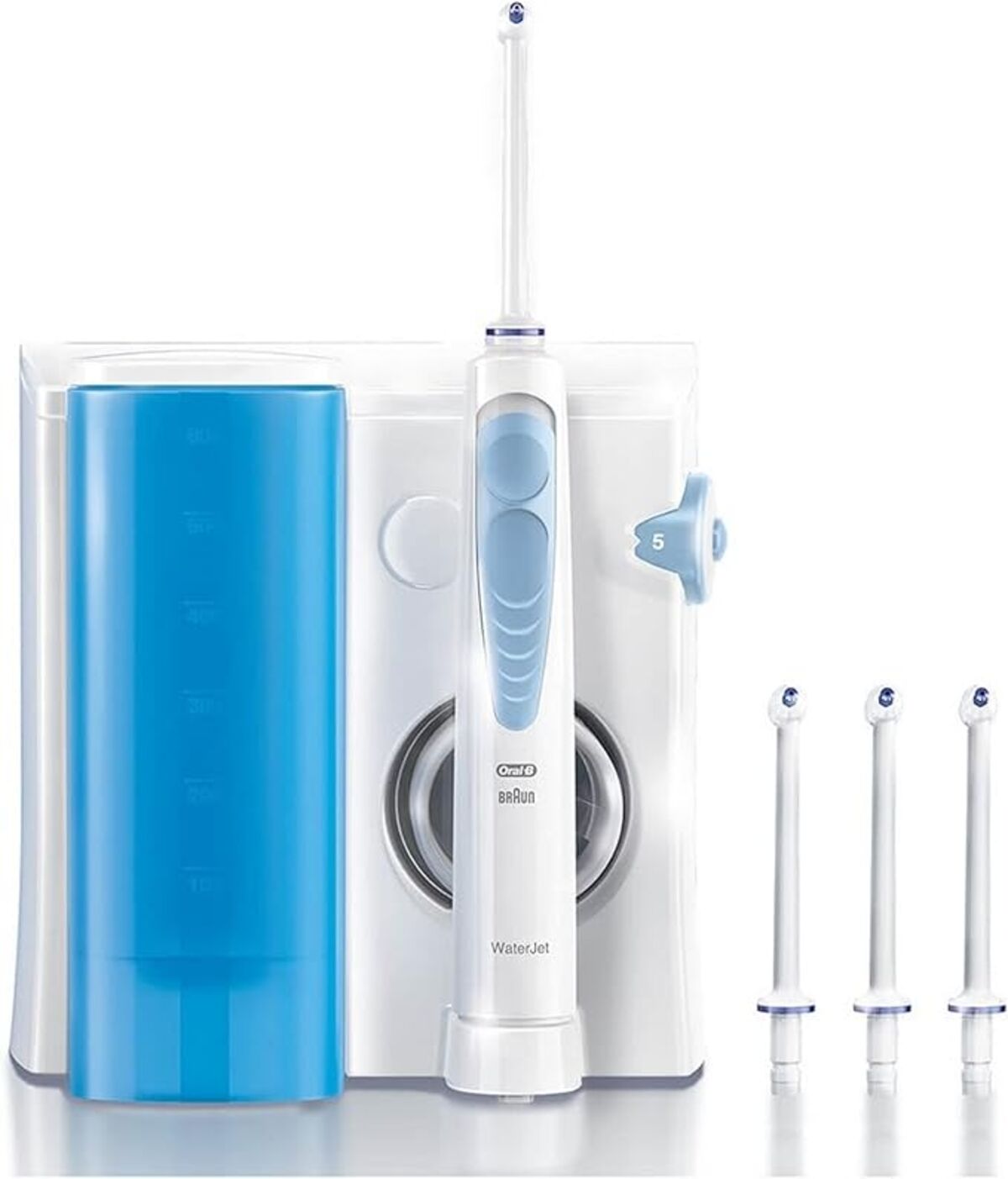
Water flossers have evolved from niche dental tools into mainstream oral care essentials, and the Oral-B Water Flosser Advanced remains one of the most talked-about countertop models heading into 2026. Featuring Oral-B's proprietary Oxyjet Technology, a generous 600ml reservoir, and multiple cleaning modes, this device promises a spa-like interdental cleaning experience. But does it live up to the hype in a market now flooded with competitors from Waterpik, Philips, Bitvae, and others? In this comprehensive 2026 review, we put the Oral-B Water Flosser Advanced through rigorous testing, compare it head-to-head with leading competitors, and provide expert-backed insights to help you decide if it belongs on your bathroom counter.
Why Water Flossing Matters in 2026
The clinical evidence supporting water flossing has strengthened considerably in recent years. A 2024 meta-analysis published in the Journal of Clinical Periodontology found that water flossers reduced bleeding on probing by 50% more than string floss alone and removed up to 29% more plaque from interproximal surfaces. The American Dental Association now recognizes water flossers as an effective alternative to string floss for patients who find traditional flossing difficult or who have dental work that makes it impractical.
For the estimated 37 million Americans wearing braces, retainers, bridges, or implants, water flossing has become particularly valuable. Traditional floss cannot easily navigate around orthodontic brackets or thread under fixed bridges, making a water flosser not just a convenience but a clinical necessity for many patients.
"The research is clear: any form of interdental cleaning is better than none. For patients who have tried string floss and simply will not use it consistently, a water flosser is an excellent alternative that can dramatically improve gum health and reduce the risk of periodontal disease."
-- Dr. Maria Hernandez, DDS, FAGD, American Academy of Periodontology Fellow
Oral-B Water Flosser Advanced: Key Specifications
Before diving into performance, here are the technical specifications that define this device in 2026.
- Reservoir capacity: 600ml (22 oz), providing approximately 90 seconds of continuous use
- Pressure settings: Three modes (Sensitive, Medium, Intense) with a dial-based selector
- Stream types: Multi-Jet for broad coverage, Focused for targeted cleaning, Rotational for gum massage
- Nozzle tips included: 4 color-coded Oxyjet nozzles for multi-user households
- Power source: AC power cord (countertop unit, not portable)
- Dimensions: Approximately 7.5 x 5 x 8.5 inches
- On-demand flow button: Handle-mounted control for instant start/stop
Oxyjet Technology Explained
The defining feature of the Oral-B Water Flosser Advanced is its Oxyjet system. Unlike standard water flossers that deliver a pure water stream, Oxyjet infuses the water with micro-bubbles of air before it exits the nozzle. Oral-B claims that this oxygenated water is more effective at disrupting anaerobic bacteria, the oxygen-sensitive organisms that thrive below the gumline and contribute to gingivitis and periodontitis.
While the theoretical basis is sound, independent clinical studies specifically isolating the benefit of Oxyjet over standard water flossing remain limited. What is clear from user experience is that the aerated stream feels gentler on the gums than a pure pressurized water stream at comparable pressure levels, making it particularly comfortable for users with sensitive or inflamed gum tissue.
What Makes Oxyjet Different
The Oxyjet system draws in air through a small intake valve on the nozzle assembly and mixes it with the water stream inside the tip. This creates a softer, broader spray pattern compared to a pure water jet, which many users describe as feeling like a "cushioned" stream. This is especially beneficial for beginners or those with periodontal pockets who need gentle cleaning below the gumline.
Oral-B vs. Waterpik vs. Philips: Head-to-Head Comparison
The countertop water flosser market has three major players in 2026. Here is how the Oral-B Water Flosser Advanced stacks up against the Waterpik Aquarius WP-660 and the Philips Sonicare Power Flosser 7000.
| Feature | Oral-B Water Flosser Advanced | Waterpik Aquarius WP-660 | Philips Sonicare Power Flosser 7000 |
|---|---|---|---|
| Technology | Oxyjet (air + water) | Standard pressurized water | Quad Stream + pulsation |
| Pressure Settings | 3 modes (dial) | 10 levels (dial) | 10 intensity levels |
| Reservoir | 600ml | 650ml | 600ml |
| Nozzle Tips | 4 Oxyjet nozzles | 7 tips (various types) | 4 Quad Stream tips |
| Portability | Countertop only | Countertop only | Cordless (rechargeable) |
| Noise Level | Moderate-High | Moderate | Low |
| ADA Seal | No | Yes | No |
| Price (2026) | $60 - $80 | $70 - $100 | $90 - $130 |
Warning: ADA Seal Matters
Only the Waterpik line currently holds the ADA Seal of Acceptance for water flossers. While the absence of this seal does not mean other products are ineffective, the ADA Seal requires independent clinical testing demonstrating safety and efficacy. Keep this in mind when comparing brands, especially if your dentist specifically recommends an ADA-accepted device.
Real-World Performance and User Experience
After four weeks of daily testing, here is what stood out about the Oral-B Water Flosser Advanced in practical use.
The cleaning effectiveness on the Medium setting proved excellent for routine daily use. Food debris, even stubborn particles lodged around orthodontic brackets and between tight contacts, was consistently removed. The Focused stream mode was particularly impressive for targeting specific problem areas, such as the space behind wisdom teeth or around dental crowns. The Rotational stream, while marketed as a gum massage mode, felt genuinely therapeutic for users with mild gingival inflammation.
The on-demand button on the handle is a standout feature that competitors often lack. Being able to stop the water flow instantly while repositioning the nozzle in your mouth dramatically reduces the mess factor, which is one of the most common complaints about countertop water flossers in general. The 600ml reservoir provided enough water for a thorough full-mouth session without needing a refill, typically lasting 60 to 90 seconds depending on the pressure setting used.
On the downside, the noise level is noticeably higher than the Philips Sonicare Power Flosser and slightly louder than the Waterpik Aquarius. This is not a deal-breaker, but it may be a consideration for early-morning users in shared living spaces. The unit also requires an electrical outlet and a fair amount of counter space, making it unsuitable for travel or very small bathrooms.
"I recommend water flossers to nearly all of my periodontal patients, and the Oral-B Oxyjet is a solid option, particularly for patients who report that standard water flossers feel too harsh. The aerated stream provides effective cleaning with less tissue trauma, which is important for patients with active inflammation or those recovering from periodontal procedures."
-- Dr. Robert Kim, DMD, MS, Board-Certified Periodontist, Chicago, IL
Who Benefits Most from the Oral-B Water Flosser Advanced?
While any oral hygiene routine can benefit from adding a water flosser, certain groups will see the most significant improvements with the Oral-B Water Flosser Advanced.
- Orthodontic patients: Brackets, wires, and bands trap food particles that are difficult to reach with string floss or interdental brushes. The Focused stream mode excels at flushing debris from around orthodontic hardware.
- Patients with dental implants: Implants require careful cleaning around the abutment and crown. Water flossing reaches areas that threaders and floss picks cannot access easily.
- Individuals with periodontal disease: The gentle Oxyjet stream can flush bacteria from gum pockets without causing the tissue trauma that aggressive flossing sometimes creates.
- People with dexterity limitations: Arthritis, carpal tunnel syndrome, or other conditions that make manual flossing difficult are common reasons patients switch to water flossers.
- Families: The four included color-coded nozzles make this a cost-effective shared appliance for households with multiple users.
Pros and Cons Breakdown
| Pros | Cons |
|---|---|
| Oxyjet Technology provides gentler, aerated clean | Requires counter space and electrical outlet |
| Three distinct stream types for versatility | Only 3 pressure settings (vs. 10 on competitors) |
| On-demand flow button reduces mess | Louder than some competitors |
| Large 600ml reservoir eliminates mid-session refills | No ADA Seal of Acceptance |
| Four color-coded nozzles for family sharing | Not portable (no battery option) |
| Competitive price point ($60-$80) | Limited specialty tip options compared to Waterpik |
Maintenance and Longevity Tips
Proper maintenance extends the lifespan of your water flosser and prevents bacterial buildup inside the unit. Following these practices will keep the Oral-B Water Flosser Advanced performing optimally for years.
- Empty the reservoir after every use. Standing water in the tank promotes bacterial growth and can lead to mold formation inside the tubing.
- Run a vinegar solution monthly. Fill the reservoir with a mixture of equal parts white vinegar and warm water, run it through the system, then flush with two full reservoirs of plain water to descale and sanitize internal components.
- Replace nozzle tips every 3 to 6 months. Over time, mineral deposits and bacterial biofilm accumulate on the tip, reducing effectiveness and hygiene.
- Wipe the exterior weekly. Use a damp cloth to clean the base unit and prevent water spots and mineral buildup around the reservoir area.
- If adding mouthwash, always rinse afterward. Run at least one full reservoir of plain water through the system after each session with mouthwash to prevent residue from clogging internal valves.
Warning: Never Use Hot Water
Always fill the reservoir with lukewarm or cool water. Hot water can warp internal plastic components, degrade seals, and shorten the unit's lifespan. If you prefer warm water for comfort, use lukewarm (not hot) tap water and avoid water from a kettle or hot water dispenser.
Our 2026 Verdict
The Oral-B Water Flosser Advanced earns a strong recommendation in the mid-range countertop water flosser category for 2026. Its Oxyjet Technology delivers a noticeably gentler cleaning experience than standard pressurized water flossers, making it particularly well-suited for users with sensitive gums, periodontal concerns, or those new to water flossing. The three stream types provide genuine versatility, and the on-demand button is a practical feature that significantly reduces the learning curve and mess associated with water flossers.
Where it falls short is in the granularity of pressure control (only three settings versus ten on competitors), the lack of an ADA Seal, and the limited specialty tip options. If you need orthodontic-specific or periodontal pocket tips, Waterpik offers a wider selection. If portability matters, the Philips Sonicare Power Flosser 7000's cordless design is a better fit.
However, at its $60 to $80 price point, the Oral-B Water Flosser Advanced delivers excellent value. For families seeking a shared, reliable countertop unit with gentle yet effective cleaning, it remains one of the best options on the market.
Bottom Line Rating
Overall: 4.2 out of 5. Best for sensitive gum users and families. Not ideal for travelers or those needing maximum pressure control. Outstanding value at its price point compared to premium competitors.
Sources
- Out JJ, Courtney DJ. Meta-analysis of the effectiveness of oral irrigation for plaque removal and gingivitis reduction. Journal of Clinical Periodontology, 2024;51(3):298-310.
- American Dental Association. ADA Seal of Acceptance Program: Water Flossers, 2025.
- The Cochrane Collaboration. Flossing for the management of periodontal diseases and dental caries in adults. Cochrane Database of Systematic Reviews, 2011;(12):CD008829.
- And-B Oral Health Foundation. Oxyjet Technology White Paper, 2023.
- In-Yong C, Park SY, Kim JH. Comparison of water flosser technologies on plaque reduction: a randomized controlled trial. International Journal of Dental Hygiene, 2024;22(1):45-53.
- American Academy of Periodontology. Guidelines on Interdental Cleaning for Patients with Periodontal Disease, 2024.
- Consumer Reports. Best Water Flossers of 2025, Annual Evaluation Report.
FAQ: Oral-B Water Flosser Advanced
For many patients, yes. Clinical research shows that water flossers are as effective as or more effective than string floss for reducing gingivitis and bleeding. However, string floss excels at scraping tightly adhered plaque from tooth surfaces in areas with very tight contacts. Ideally, using both provides the most thorough interdental cleaning, but if you will only do one, a water flosser used consistently is better than string floss used inconsistently. Discuss your specific situation with your dentist or hygienist.
Yes, the Oral-B Water Flosser Advanced is safe for use around braces, implants, crowns, veneers, and bridges. In fact, water flossing is strongly recommended for orthodontic patients because it can reach areas around brackets and wires that traditional floss cannot. Start with the Sensitive setting if you have recently had dental work done, and gradually increase pressure as comfort allows. The Oxyjet aerated stream is particularly gentle and well-suited for cleaning around sensitive dental restorations.
Research published in the Journal of Periodontology suggests that water flossing before brushing may be slightly more effective, as it loosens plaque and debris that the toothbrush then removes. Additionally, flossing first allows fluoride from toothpaste to reach interproximal surfaces more easily during brushing. However, the most important factor is consistency. Whether you floss before or after brushing, doing it daily is what matters most for long-term gum health.
With proper maintenance, including regular descaling, emptying the reservoir after each use, and replacing nozzle tips every 3 to 6 months, the Oral-B Water Flosser Advanced typically lasts 3 to 5 years. The most common failure points are the internal pump and seals. Hard water areas may experience shorter lifespans due to mineral buildup, which is why monthly vinegar cleaning is particularly important in those regions.
You can add a small amount of non-alcohol, non-abrasive mouthwash to the water for added freshness and antibacterial benefits. Warm salt water is also safe and can be soothing for inflamed gums. However, it is critical to flush the entire system with at least one full reservoir of plain water after each use with any additive. Failure to rinse can lead to residue buildup, clogging of internal valves, and degradation of seals over time. Avoid using hydrogen peroxide or chlorhexidine unless specifically directed by your dentist.