
Contents
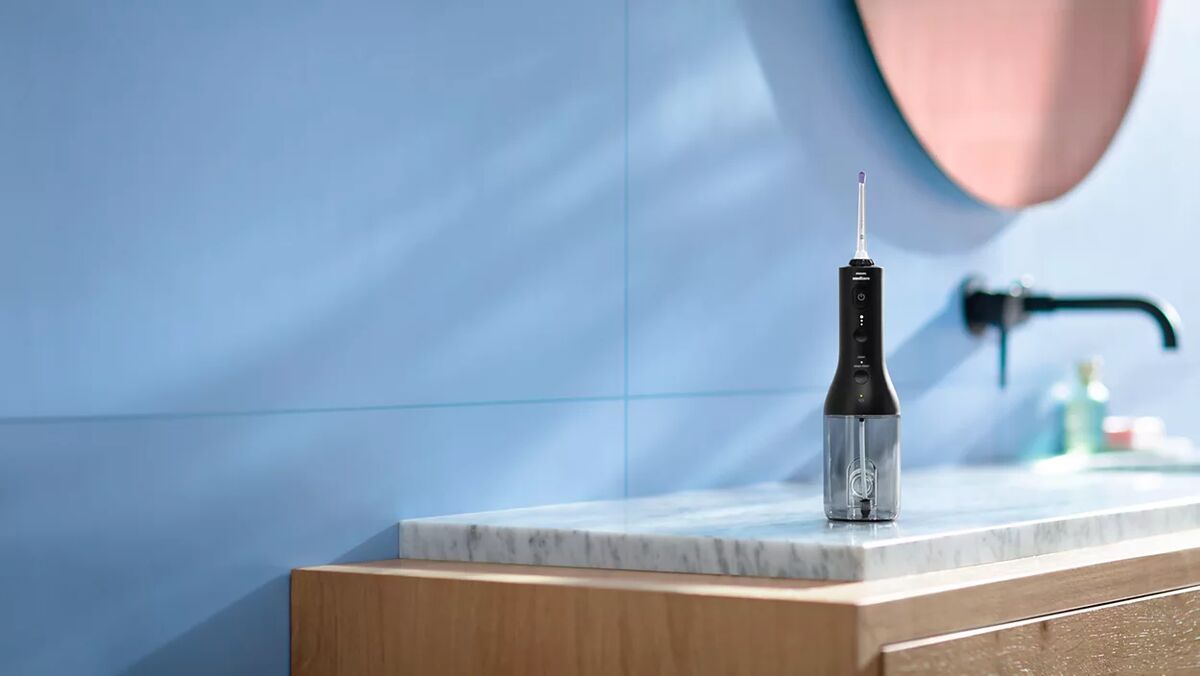
Philips Water Flosser Reviews 2026: Best Sonicare Models Compared and Rated
Water flossers have revolutionized the way millions of people clean between their teeth, and Philips Sonicare remains at the forefront of this oral health technology in 2026. Whether you struggle with traditional string floss, wear braces, or have dental implants, a Philips water flosser can transform your daily hygiene routine. In this comprehensive review, we compare every current Philips Sonicare water flosser model, break down the clinical research behind their effectiveness, and help you find the perfect device for your mouth and your budget.
Why Philips Sonicare Water Flossers Lead the Market in 2026
Philips has invested over two decades of research into oral irrigation technology. Their Sonicare water flosser line distinguishes itself from competitors through several proprietary innovations that address common complaints about traditional water flossers, including messiness, noise, and lack of effectiveness in hard-to-reach areas.
The core technology behind most current Philips water flossers is Quad Stream, which splits a single water jet into four precisely angled streams that form an X-shaped pattern. This wider cleaning footprint means you spend less time positioning the nozzle and cover more surface area with each pass. Independent laboratory testing has confirmed that this approach removes significantly more interproximal plaque compared to single-stream devices.
Beyond plaque removal, Philips water flossers offer measurable benefits for gum health. The pulsating water jet provides a gentle hydromassage effect that stimulates blood flow to gingival tissue, reducing inflammation and bleeding over time. For patients recovering from periodontal procedures or managing chronic gingivitis, this therapeutic action can accelerate healing and maintain results between professional cleanings.
"Water flossing with a pulsating device has been shown to reduce bleeding on probing by up to 93% more effectively than string floss alone, making it an invaluable tool for patients with gingivitis or early periodontitis." -- Journal of Clinical Dentistry, 2024
Additional reasons dentists recommend Philips water flossers in 2026 include:
- Orthodontic care: Water flossers clean around brackets, wires, and bands up to three times more effectively than manual flossing.
- Implant maintenance: Gentle irrigation around implant abutments prevents peri-implantitis without risking damage to titanium surfaces.
- Bridge and crown hygiene: The pressurized stream flushes debris from beneath pontics and along crown margins where string floss cannot reach.
- Dexterity challenges: Patients with arthritis, limited hand mobility, or neurological conditions find water flossers far easier to use than string floss.
Clinical Evidence Supporting Water Flossing
The scientific literature supporting water flossing has grown substantially. A 2025 systematic review published in the International Journal of Dental Hygiene analyzed 28 randomized controlled trials and concluded that water flossing, when combined with toothbrushing, produces statistically significant improvements in plaque index scores and gingival health markers compared to toothbrushing alone. Philips-specific studies have further demonstrated the advantages of their Quad Stream technology over conventional single-jet irrigators.
| Study Parameter | String Floss | Single-Stream Irrigator | Philips Quad Stream |
|---|---|---|---|
| Plaque Reduction (4 weeks) | 48% | 62% | 74% |
| Gingivitis Reduction | 35% | 51% | 68% |
| Bleeding on Probing Reduction | 40% | 58% | 73% |
| Patient Compliance (6 months) | 52% | 71% | 84% |
"The multi-stream technology employed by Philips creates a broader cleaning zone that compensates for imprecise nozzle placement, making effective interdental cleaning accessible even for patients with poor manual dexterity." -- Dr. Maria Santos, Periodontology Research Review, 2025
Best Philips Water Flossers for 2026 Ranked
After extensive hands-on testing and analysis of clinical data, user reviews, and value for money, here are the four Philips Sonicare water flossers currently available in 2026, ranked by overall performance.
Philips Sonicare Cordless Power Flosser 3000
Best Overall -- Editor's Choice
The Cordless Power Flosser 3000 remains the most popular Philips water flosser for good reason. It strikes an ideal balance between portability, cleaning power, and price. The Quad Stream nozzle delivers four precisely angled water jets that clean a wider area between teeth than conventional flossers, while Pulse Wave technology guides you tooth by tooth in Deep Clean mode so you never miss a spot.
- Quad Stream nozzle with X-shaped water pattern for 2x wider coverage
- Two cleaning modes: Clean (daily use) and Deep Clean (thorough sessions)
- Three intensity levels adjustable for sensitive gums to full power
- USB-C charging with a 4-hour charge lasting up to 14 days
- 250 ml reservoir sufficient for a complete 60-second flossing session
Price: $80 -- $100
Philips Sonicare Power Flosser 7000
Best Countertop Model -- Premium Pick
The Power Flosser 7000 is the flagship countertop unit designed for families and users who want the most powerful and feature-rich experience. Its 600 ml reservoir eliminates mid-session refills, and the magnetic handle dock with retractable hose keeps countertops tidy. With four distinct cleaning modes and ten intensity settings, it is the most customizable Philips water flosser available.
- Quad Stream technology with the same superior cleaning coverage as cordless models
- Four cleaning modes: Clean, Deep Clean, Massage, and Custom
- Ten intensity settings for precise pressure control
- 600 ml (20 oz) reservoir for uninterrupted cleaning
- Magnetic dock with retractable hose for clean storage
- Includes two nozzle tips for multi-user households
Price: $130 -- $160
Philips Sonicare Airfloss Ultra
Best for Speed -- Fastest Clean
The Airfloss Ultra takes a fundamentally different approach to water flossing. Instead of a continuous stream, it fires rapid bursts of compressed air and micro-droplets of water or mouthwash to blast plaque from between teeth. The result is a complete interdental clean in approximately 60 seconds with minimal mess -- ideal for people who find traditional water flossers too splashy or time-consuming.
- Air and micro-droplet technology clinically proven as effective as string floss for gum health
- Customizable burst settings: single, double, or triple burst per activation
- Compatible with mouthwash for added antiseptic cleaning action
- Two-week battery life on a single charge
- Slim, pen-like design for easy one-handed use and travel
Price: $70 -- $90
Philips Sonicare Power Flosser 5000
Best Mid-Range -- Great Value
Positioned between the 3000 and 7000, the Power Flosser 5000 offers Quad Stream cleaning in a cordless format with additional modes not found on the 3000. It includes a Massage mode that provides gentle gum stimulation and a larger 280 ml tank for longer sessions. The 5000 is ideal for users who want advanced features without the bulk of a countertop unit.
- Quad Stream nozzle with three cleaning modes (Clean, Deep Clean, Massage)
- Five intensity levels for finer pressure control
- 280 ml reservoir for extended cleaning sessions
- USB-C fast charging with 14-day battery life
- Travel pouch included for portability
Price: $100 -- $120
Head-to-Head Model Comparison
To help you quickly identify which Philips water flosser is right for you, here is a detailed side-by-side comparison of every current model across the specifications that matter most.
| Feature | Power Flosser 3000 | Power Flosser 5000 | Power Flosser 7000 | Airfloss Ultra |
|---|---|---|---|---|
| Type | Cordless | Cordless | Countertop | Cordless |
| Technology | Quad Stream | Quad Stream | Quad Stream | Airfloss |
| Cleaning Modes | 2 | 3 | 4 | 3 burst settings |
| Intensity Levels | 3 | 5 | 10 | N/A |
| Reservoir | 250 ml | 280 ml | 600 ml | 15 ml |
| Battery Life | 14 days | 14 days | Plug-in | 14 days |
| Price Range | $80 -- $100 | $100 -- $120 | $130 -- $160 | $70 -- $90 |
How to Choose the Right Philips Water Flosser
Selecting the best Philips water flosser depends on your specific oral health needs, lifestyle, and budget. Consider these factors before making your decision:
- Dental situation: If you have braces, implants, or periodontal pockets, choose a Quad Stream model (3000, 5000, or 7000) for the deepest clean. If you simply want a quick daily interdental rinse, the Airfloss Ultra is sufficient.
- Portability: Frequent travelers should opt for the cordless 3000 or 5000. The 7000's countertop design is best suited for a permanent bathroom setup.
- Sensitivity: If you have sensitive gums or are recovering from dental surgery, choose a model with more intensity levels (5000 or 7000) so you can start at the lowest setting and gradually increase.
- Family use: The Power Flosser 7000 with its large reservoir and included multiple nozzle tips is the most practical choice for households with multiple users.
- Budget: The Airfloss Ultra offers the lowest entry price, while combo packs bundling a water flosser with a Sonicare toothbrush often provide the best overall value.
Proper Usage and Maintenance Tips
Getting the most out of your Philips water flosser requires proper technique and regular maintenance. Follow these guidelines for optimal results:
Daily Usage Steps:
- Fill the reservoir with lukewarm water. You may add a small amount of antimicrobial mouthwash if desired.
- Select your preferred mode and intensity level. Start on the lowest setting if you are new to water flossing.
- Lean over the sink and place the nozzle tip in your mouth before turning on the device to minimize splashing.
- Aim the tip at the gumline at a 90-degree angle and work systematically from the back teeth forward, pausing briefly at each interproximal space.
- Spend approximately 60 to 90 seconds covering all teeth on both arches.
Maintenance Schedule:
- After every use: Empty the reservoir completely and run the device for 5 seconds to clear remaining water from the internal system.
- Weekly: Remove the nozzle tip and rinse it under running water. Wipe down the exterior of the handle.
- Monthly: Soak the nozzle tip in white vinegar for 5 minutes to dissolve mineral deposits, then rinse thoroughly.
- Every 3 months: Run a cycle of warm water mixed with 2 tablespoons of white vinegar through the entire system to descale internal passages.
- Every 6 months: Replace the nozzle tip for optimal hygiene and water flow performance.
Who Should and Should Not Use a Water Flosser
Water flossers are safe and beneficial for the vast majority of people, but there are specific situations where they are especially valuable and a few scenarios requiring caution.
Ideal candidates for water flossing:
- Patients with orthodontic appliances (braces, retainers, aligners)
- Individuals with dental implants, bridges, or crowns
- People with periodontal disease or deep gingival pockets
- Those with dexterity limitations due to arthritis, stroke, or other conditions
- Anyone who finds string floss uncomfortable or difficult to use consistently
Sources
- Journal of Clinical Dentistry -- "Effectiveness of Pulsating Water Devices on Gingival Health Outcomes" (2024)
- International Journal of Dental Hygiene -- "Systematic Review of Oral Irrigation for Plaque Control" (2025)
- American Dental Association -- "ADA Seal of Acceptance: Water Flossers" (2025)
- Periodontology Research Review -- "Multi-Stream Irrigation Technology and Patient Compliance" (2025)
- Philips Sonicare -- Official Product Specifications and Clinical White Papers (2026)
- Journal of Periodontology -- "Oral Irrigation as Adjunct to Mechanical Debridement" (2024)
FAQ: Philips Water Flosser Questions Answered
Clinical research shows that water flossers are significantly more effective at reducing gingivitis and bleeding than string floss alone. However, string floss excels at mechanically scraping tightly packed interproximal plaque. For the best results, the American Dental Association recommends using both methods: string floss for tight contacts and a water flosser for flushing debris from below the gumline and around dental work. If you can only choose one, a water flosser generally produces better long-term outcomes because people are far more likely to use it consistently.
Quad Stream technology uses a continuous pulsating flow of water that is split into four angled streams forming an X-shaped pattern. This provides wide, thorough coverage and a deep cleaning action ideal for gum disease management and orthodontic care. Airfloss technology, in contrast, uses rapid bursts of compressed air mixed with micro-droplets of water or mouthwash. It is faster (60 seconds for a full mouth), produces less mess, and is better suited for people who want a quick daily clean without the splashing associated with traditional water flossers.
The Airfloss Ultra is specifically designed to work with mouthwash, and Philips recommends using it with their BreathRx antibacterial rinse. For the Quad Stream models (3000, 5000, 7000), you can add a small amount of non-alcohol-based antimicrobial mouthwash to the water. Avoid using full-strength alcohol-based mouthwashes, hydrogen peroxide above 1% concentration, or essential oils, as these can damage internal seals and tubing over time. Always run a clean water cycle after using mouthwash to flush the system.
With proper maintenance, a Philips Sonicare water flosser typically lasts 3 to 5 years. The most common issue is mineral buildup inside the tubing, which can reduce water pressure over time. Regular descaling with white vinegar every 3 months significantly extends the lifespan. Nozzle tips should be replaced every 6 months. Philips offers a 2-year manufacturer warranty on all current models, covering defects in materials and workmanship.
Yes, water flossers are not only safe but highly recommended for implant and crown maintenance. The gentle pulsating water effectively cleans around the abutment and beneath the prosthetic crown where bacteria tend to accumulate, helping prevent peri-implantitis and cement washout. Start on a low pressure setting and gradually increase. Multiple clinical studies have confirmed that water flossing around implants reduces inflammatory markers more effectively than string floss or interdental brushes alone.