
Table of Contents
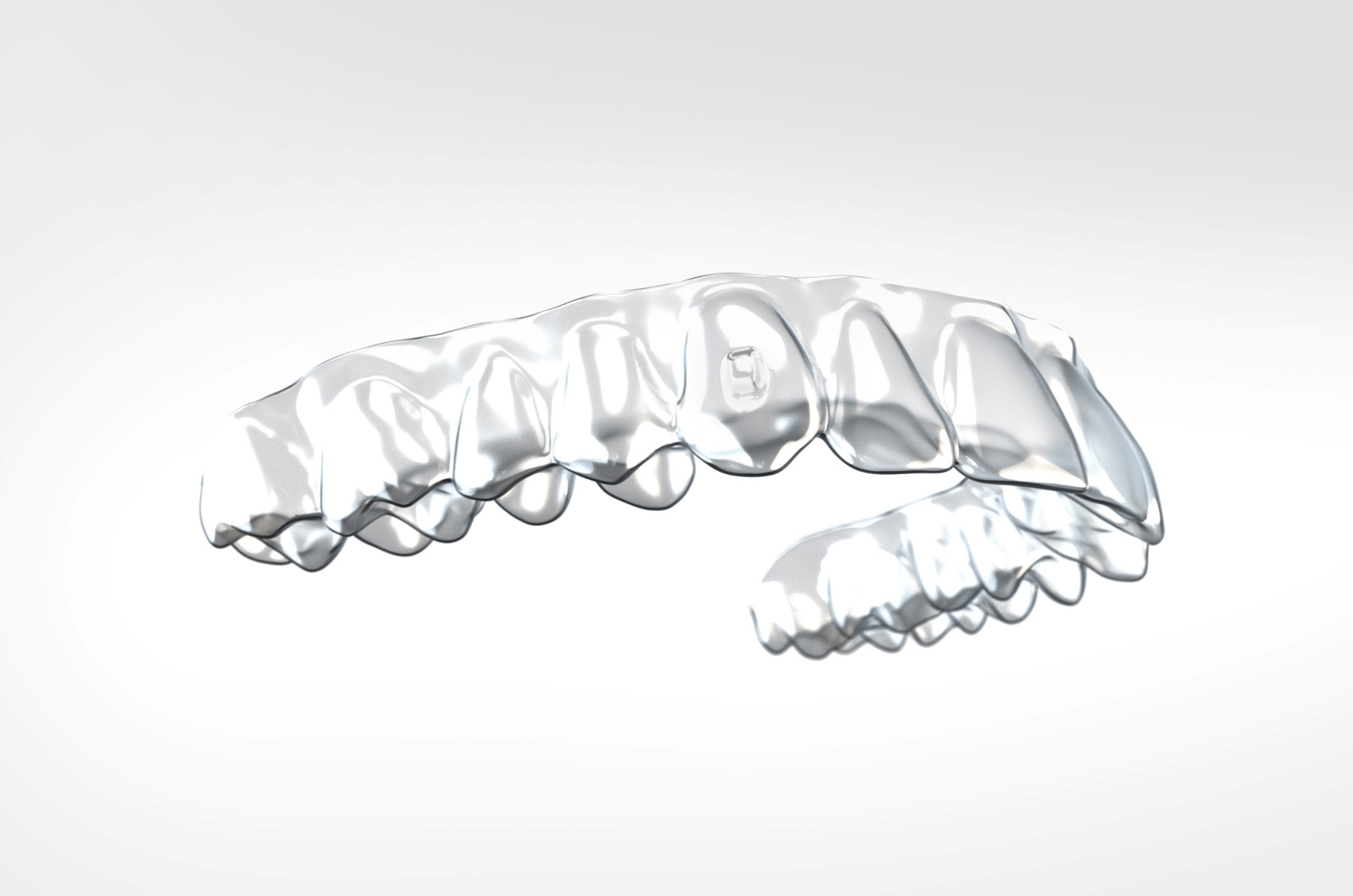
Invisalign Attachments Explained: Complete 2026 Guide to Types, Placement & Care
If you are considering Invisalign or have already started your clear aligner journey, you have probably heard the term "attachments" mentioned by your orthodontist. These tiny but powerful components have become one of the most important advances in clear aligner therapy, and in 2026, the technology behind them is more refined than ever. Invisalign attachments are small, tooth-colored composite bumps bonded directly to select teeth, and they serve as grip points that help aligners apply precisely targeted forces. Without them, many of the complex tooth movements that Invisalign can now achieve would simply not be possible.
This comprehensive guide covers everything you need to know about Invisalign attachments in 2026, including the latest attachment types, the placement and removal processes, how to live with them day to day, and what real patients are saying about their experiences. Whether you are a prospective patient researching your options or already mid-treatment, the information here will help you feel confident and informed.
Key Takeaway
Invisalign attachments are small composite resin bumps bonded to specific teeth to help your aligners achieve precise, controlled movements. As of 2026, Align Technology's SmartForce attachment designs can address even complex cases that previously required traditional braces.
What Are Invisalign Attachments in 2026?
Invisalign attachments are small, precisely shaped bumps made from dental composite resin -- the same tooth-colored material used for cosmetic fillings. Each attachment is typically between 1 and 3 millimeters in size and is bonded to the front surface of a tooth. When you snap your aligner into place, the aligner grips these bumps, creating additional leverage that directs force exactly where the orthodontist wants it.
In 2026, Align Technology has continued to refine its ClinCheck software and SmartForce algorithms to determine the ideal shape, size, angle, and position for each attachment. The software uses artificial intelligence to analyze millions of historical case outcomes, recommending attachment configurations that optimize treatment efficiency and predictability. The result is that modern attachments are smaller, more precise, and more effective than those used even two or three years ago.
Most patients receive between 2 and 20 attachments, though the exact number depends on the complexity of their case. Some teeth may receive multiple attachments, while others require none. Your orthodontist will determine the optimal configuration during treatment planning, and you will be able to preview the placement in your ClinCheck simulation before treatment begins.
Because the composite is color-matched to your natural enamel, attachments are very difficult for other people to notice. They are not perfectly invisible -- if someone looks closely, they may spot them -- but they remain far more discreet than the brackets and wires of traditional braces.
Why Attachments Are Essential to Your Treatment
Clear aligners on their own can apply broad pressure across the surface of your teeth, but that pressure is limited in direction and magnitude. Attachments solve this problem by creating specific points of contact between the aligner and the tooth, enabling the aligner to push, pull, rotate, and torque teeth in ways that smooth plastic alone cannot accomplish.
Here are the primary functions that attachments serve during Invisalign treatment:
- Enhanced Grip and Retention: Attachments prevent the aligner from sliding or lifting off the teeth, ensuring consistent force delivery throughout the day. This is especially important for patients whose tooth anatomy provides little natural undercut for aligner retention.
- Precision Tooth Movement: By providing a three-dimensional anchor point, attachments allow the aligner to execute movements such as rotation, intrusion, extrusion, tipping, and bodily movement with far greater accuracy.
- Bite Correction: Attachments are critical in correcting malocclusions such as overbite, underbite, crossbite, and open bite. They provide the additional mechanical advantage needed to shift the upper and lower arches into proper alignment.
- Selective Anchorage: In some treatment plans, certain teeth must remain stationary while adjacent teeth move. Attachments can be placed to anchor those stable teeth, resisting unwanted movement.
- Faster Treatment Times: Because attachments improve force transfer efficiency, treatment can often proceed more quickly. Studies from 2024 and 2025 have shown that cases with optimized attachment placement achieve target outcomes 15 to 20 percent faster on average.
Types of Invisalign Attachments
Not all attachments are the same. Your orthodontist selects from a range of attachment types based on the specific movements required in your treatment plan. Understanding the different types can help you appreciate why certain attachments are placed on certain teeth.
Conventional vs. SmartForce Attachments
| Feature | Conventional Attachments | SmartForce Attachments |
|---|---|---|
| Design Origin | Manually selected by orthodontist | AI-optimized by ClinCheck software |
| Shape | Standard geometric (square, rectangle, oval) | Custom 3D contours based on biomechanics |
| Precision | Good | Excellent -- data-driven placement |
| Best For | Simple movements and mild cases | Complex rotations, extrusions, and root movements |
| Availability (2026) | Still used in select situations | Standard in most Invisalign treatment plans |
Rotation Attachments
Rotation attachments are specifically designed to help twist a tooth around its long axis. Canines and premolars commonly require rotation because they often erupt at an angle. The attachment is placed off-center on the tooth's facial surface, creating a moment of force that encourages the tooth to rotate into proper alignment. In 2026, optimized rotation attachments use beveled edges that reduce patient discomfort while maintaining effective force delivery.
Extrusion Attachments
When a tooth sits too deep within the gumline and needs to be pulled downward (or upward for lower teeth), an extrusion attachment is placed. The aligner grips the attachment and applies a gentle, consistent vertical force. Extrusion is one of the more challenging movements in clear aligner therapy, and attachments make it predictable. Modern extrusion attachments are beveled at the gumline edge to improve comfort and reduce food trapping.
Root Control Attachments
Sometimes a tooth crown looks perfectly aligned, but the root is angled incorrectly beneath the gum. This can cause long-term periodontal problems and instability. Root control attachments, typically placed in vertical pairs near the gumline, give the aligner the leverage needed to torque the root into its proper angulation within the bone. This type of attachment is most commonly used on upper and lower incisors.
Multi-Plane Movement Attachments
Introduced as part of Align Technology's SmartForce optimization updates in recent years, multi-plane movement attachments are engineered to facilitate simultaneous movements in more than one direction. For example, a tooth may need to rotate while also tipping lingually. Instead of using sequential single-direction movements (which adds treatment time), a multi-plane attachment lets the aligner address both vectors at once. This innovation has contributed to shorter overall treatment durations in moderate-to-complex cases.
Important Note
Not every tooth in your mouth will receive an attachment. Your orthodontist determines attachment placement based on your specific treatment plan. Placing unnecessary attachments can introduce unwanted forces, so precise planning is critical.
How Attachments Are Placed on Your Teeth
The attachment bonding appointment is usually quick and painless. Most patients report that the entire process takes between 15 and 30 minutes, depending on the number of attachments being placed. Here is a step-by-step overview of the procedure:
- Tooth Preparation: The orthodontist cleans and dries each tooth receiving an attachment. A mild etching solution (phosphoric acid gel) is applied for 15 to 30 seconds to roughen the enamel surface microscopically, which helps the composite bond effectively.
- Bonding Agent Application: A thin layer of dental bonding adhesive is painted onto the etched surface and cured briefly with a UV or LED light.
- Template Placement: A custom template tray (provided by Align Technology) is loaded with composite resin in the precise wells corresponding to each attachment location. The tray is seated over the teeth, pressing the composite into the correct shape and position.
- Light Curing: A curing light is applied through the template for several seconds per attachment, hardening the composite and bonding it firmly to the enamel.
- Template Removal and Cleanup: The template is removed, and the orthodontist trims away any excess composite material. Each attachment is inspected and adjusted if necessary.
- Fit Verification: The first set of aligners is tried on to confirm that they snap securely over all attachments and that the patient can insert and remove them without excessive difficulty.
Patient Comfort
The bonding process does not require any anesthesia or numbing. Most patients describe it as completely painless. The etching gel may taste slightly acidic, but it is rinsed away quickly. You can eat and drink normally immediately after the appointment.
Living with Invisalign Attachments: Daily Care and Tips
Once your attachments are in place, you will need to adapt your oral hygiene routine slightly. The bumps create additional surface area where plaque and food particles can accumulate, so diligent cleaning is essential. Here are practical tips from orthodontists and experienced patients:
- Brush after every meal: Use a soft-bristled toothbrush and gently clean around each attachment. An electric toothbrush with a round head works well for reaching all sides of the bump.
- Floss daily: Attachments do not change your flossing routine, but they do make it more important. Food can get trapped at the base of an attachment near the gumline.
- Use an interdental brush: A small interdental brush (such as a TePe or GUM Proxabrush) can effectively clean around the edges of attachments where a regular toothbrush may struggle.
- Avoid staining foods and drinks: Coffee, tea, red wine, turmeric, and dark berries can stain the composite material. While your orthodontist can polish attachments at your next visit, minimizing exposure helps them stay discreet.
- Remove aligners carefully: Always start removing your aligners from the back teeth and work forward. Pulling from the front near an attachment increases the risk of popping it off.
| Daily Care Task | Frequency | Why It Matters |
|---|---|---|
| Brushing around attachments | After every meal | Prevents plaque buildup and staining |
| Flossing | At least once daily | Removes trapped food near gumline |
| Rinsing aligners | Each time you remove them | Reduces bacteria transfer to attachments |
| Orthodontist checkup | Every 6-8 weeks | Monitors attachment integrity and treatment progress |
| Avoiding hard/sticky foods | Ongoing | Reduces risk of attachment breakage |
What to Do If an Attachment Falls Off or Breaks
Attachment debonding is one of the most common minor issues during Invisalign treatment. It can happen from biting into hard food, removing aligners too aggressively, or simply from normal wear over time. If an attachment falls off, here is what you should do:
- Do not panic: A single lost attachment will not derail your entire treatment. However, it should be replaced in a timely manner to keep your tooth movements on track.
- Contact your orthodontist: Call your orthodontist's office within a day or two and let them know which tooth lost its attachment. They will schedule a brief rebonding appointment, which usually takes less than 10 minutes.
- Keep wearing your aligners: Continue wearing your current set of aligners as prescribed. The aligner will still provide some force to the tooth, just less efficiently without the attachment.
- Avoid chewing on that side: If the area feels rough or sharp, use orthodontic wax to smooth it temporarily and try to chew on the opposite side until the attachment is replaced.
- Save the attachment if possible: While the orthodontist will bond a new one, bringing the old piece can help them confirm the correct size and shape.
When to Seek Urgent Care
If multiple attachments fall off at once, if you notice a crack in your tooth beneath where an attachment was bonded, or if you experience significant pain, contact your orthodontist immediately. These situations are uncommon but should be evaluated promptly.
Common Concerns and Patient Experiences
While attachments are essential for treatment success, they do introduce some adjustments to your daily life. Here is what patients commonly report:
"The first few days with attachments were rough. My lips and cheeks felt every single bump, and I was constantly running my tongue over them. But honestly, by the end of the first week, I had completely forgotten they were there. My brain just adapted to the new texture. If you are in those early days, give it time -- it really does get better."
-- Michael R., Invisalign patient, 2025
"I was worried about the attachments staining because I drink a lot of coffee. My orthodontist told me to brush right after my morning cup and rinse with water if I could not brush immediately. After eight months of treatment, they still looked great. The key is consistency with cleaning."
-- Priya K., Invisalign patient, 2026
"One of my attachments popped off while I was eating an apple. I called my orthodontist and they rebonded it the next morning in about five minutes. No big deal at all. I just wish someone had told me beforehand to cut apples into slices instead of biting into them directly."
-- Jason T., Invisalign patient, 2025
Common concerns and their practical solutions:
- Initial discomfort: The edges of attachments can irritate cheeks and lips for the first 3 to 7 days. Orthodontic wax provides immediate relief, and most patients report full adaptation within a week.
- Eating adjustments: Hard, crunchy, and sticky foods pose the greatest risk of dislodging an attachment. Cutting food into smaller pieces and chewing carefully can prevent most issues.
- Aesthetic concerns: While attachments are tooth-colored, they can sometimes catch the light or appear slightly raised. Most people around you will not notice them unless they are looking very closely at your teeth.
- Cleaning challenges: The areas around attachments require extra attention during brushing. An electric toothbrush and interdental brushes are your best tools for keeping these spots clean.
Attachment Removal: What to Expect
When your Invisalign treatment is complete, your orthodontist will remove all attachments during a final appointment. This process is straightforward and generally takes 15 to 30 minutes. Here is what the removal process involves:
The orthodontist uses a slow-speed dental handpiece with a fine polishing bur to gently grind away the composite material. The bur removes the attachment without affecting the underlying enamel, as the composite is softer than tooth enamel. You may feel slight vibration and pressure during this step, but it is not painful.
After the bulk of the composite is removed, the orthodontist polishes each tooth surface to eliminate any residual bonding material and restore the natural smoothness of your enamel. Many orthodontists finish with a fluoride treatment to strengthen the enamel and address any minor surface demineralization that may have occurred around the attachment sites.
Post-removal, your teeth will feel noticeably smooth -- many patients describe this as one of the most satisfying moments of their entire treatment. There is no recovery period; you can eat, drink, and resume all normal activities immediately.
After Removal
Some patients notice very faint white spots where attachments were bonded. These are caused by slight differences in enamel mineralization and typically fade within a few weeks as the enamel re-equilibrates with saliva. If they persist, your dentist can address them with remineralization treatments or microabrasion.
Sources
- Align Technology, Inc. -- Invisalign SmartForce Attachment Innovation Documentation, 2025-2026
- American Association of Orthodontists -- Clear Aligner Therapy Clinical Guidelines, 2025
- Journal of Clinical Orthodontics -- "Attachment Design and Biomechanical Efficiency in Clear Aligner Systems," Volume 59, 2025
- The Angle Orthodontist -- "Predictability of Tooth Movements with Optimized Attachments: A Retrospective Analysis," 2024
- American Dental Association -- Patient Education: Clear Aligner Treatment, updated 2026
Frequently Asked Questions
Do all Invisalign patients need attachments?
No, not all patients require attachments. Very mild cases involving minor crowding or spacing may be treatable with aligners alone. However, the majority of moderate and complex cases do benefit from attachments. Your orthodontist will determine whether attachments are necessary during your initial treatment planning consultation.
Can attachments damage my tooth enamel?
When placed and removed correctly by a trained orthodontist, attachments do not cause meaningful damage to enamel. The etching process creates only a superficial roughening of the enamel surface, which remineralizes naturally after treatment. Studies have consistently shown that attachment bonding and removal, when performed properly, results in no clinically significant enamel loss.
How long do attachments stay on during treatment?
Attachments typically remain in place for the entire duration of your Invisalign treatment, which can range from 6 months to 24 months depending on your case complexity. In some treatment plans, certain attachments may be removed partway through and replaced with new ones in different positions as the treatment objectives shift.
Will people notice my Invisalign attachments?
In most social and professional situations, attachments go unnoticed by others. They are color-matched to your natural tooth shade and are very small. When your aligners are in (which should be 20 to 22 hours per day), the attachments are covered by the clear plastic and are even less visible. Most patients report that friends and coworkers did not realize they were wearing aligners at all.
What happens if I refuse attachments?
If your treatment plan calls for attachments and you choose not to have them placed, your teeth may not move as planned. This can lead to poor tracking (where the aligner no longer fits properly), extended treatment time, and compromised results. In some complex cases, refusing attachments may mean that Invisalign simply cannot achieve the desired outcome, and alternative treatment options such as braces would need to be considered.